Service
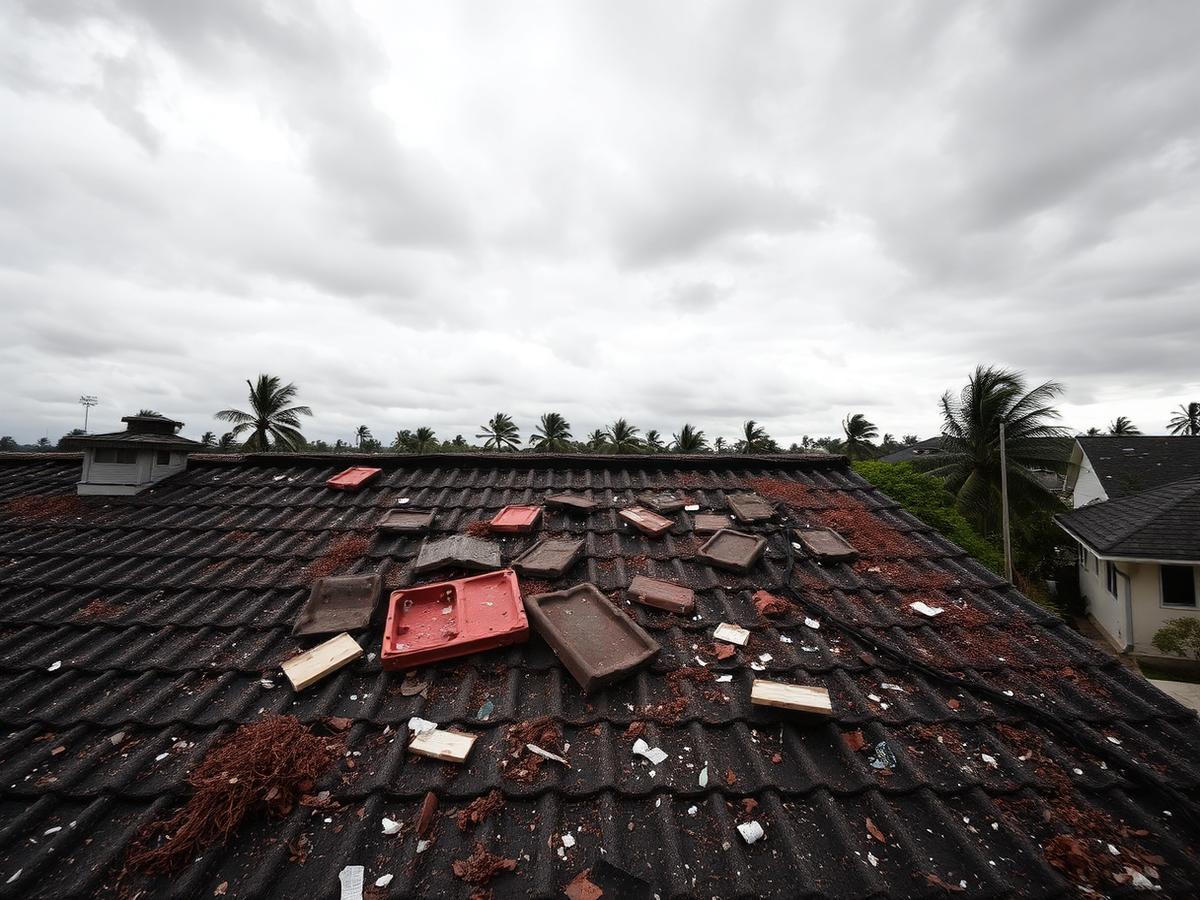
Storm damage documentation
After a storm the most perishable thing on your roof is the evidence. Recording condition carefully — before debris is cleared and before the next rain — is what makes any later decision a factual one.
Design concept imagery
What storms actually do
Attachment fails before appearance does
Dramatic damage is easy to see. The more common outcome is a roof that looks intact and no longer holds together the way it did.
Wind does not lift a roof evenly. It creates suction at edges, ridges, and corners, where uplift concentrates, and it works in repeated cycles rather than one push. The result is often loosened fasteners, broken seals between shingle courses, slightly shifted tile, and metal that has flexed at its terminations — all of which reduce resistance to the next event without producing a visible hole.
Debris impact and hail add localised bruising, cracked tile, and punctures in low-slope membranes that can be small enough to miss and still admit water steadily. Wind-driven rain, meanwhile, tests every lap in the direction it was never designed for, which is why post-storm leaks sometimes appear at details that had been sound for years.
Documentation therefore covers attachment and detail condition, not just visible gaps. Each observation is tied to a location on the roof, photographed wide and close, and recorded with the date. What is stated is what was observed — no cause attribution beyond what the evidence supports, and no estimate of what any third party will decide.
We do not handle claims
Record first, disturb second
Observation, not certification
Practical guidance
Documenting from the ground, safely
Everything here can be done without climbing. Please do not go onto a roof after a storm.
| What to capture | How to make it useful |
|---|---|
| Wide shots of each elevation | Stand back far enough to show a whole roof plane, so later close-ups can be placed in context. |
| Close-ups with a scale reference | Include a tape, coin, or hand so the size of a crack, dent, or gap is readable. |
| Ground debris | Photograph displaced tile, granules, metal, or fasteners where they landed before clearing them. |
| Interior conditions | Every stain, drip, and damp area, with the date, plus a note of when it first appeared. |
| Gutters and downspouts | Separation, dents, and accumulated granules are all informative about impact and water volume. |
| Surroundings | Fallen branches or damaged neighbouring structures help establish what conditions the property experienced. |
| A written timeline | Event date, when symptoms appeared, and what was done in response — kept in one place. |
Gallery
Before / after — illustrative detail pairs
Generated concept visuals of common roof details, each tagged as a concept visual. No storm-event or customer photography is published here.
Illustrative concept visuals of common roof details, not photographs of past projects. Owner-supplied project photography can replace these pairs directly.
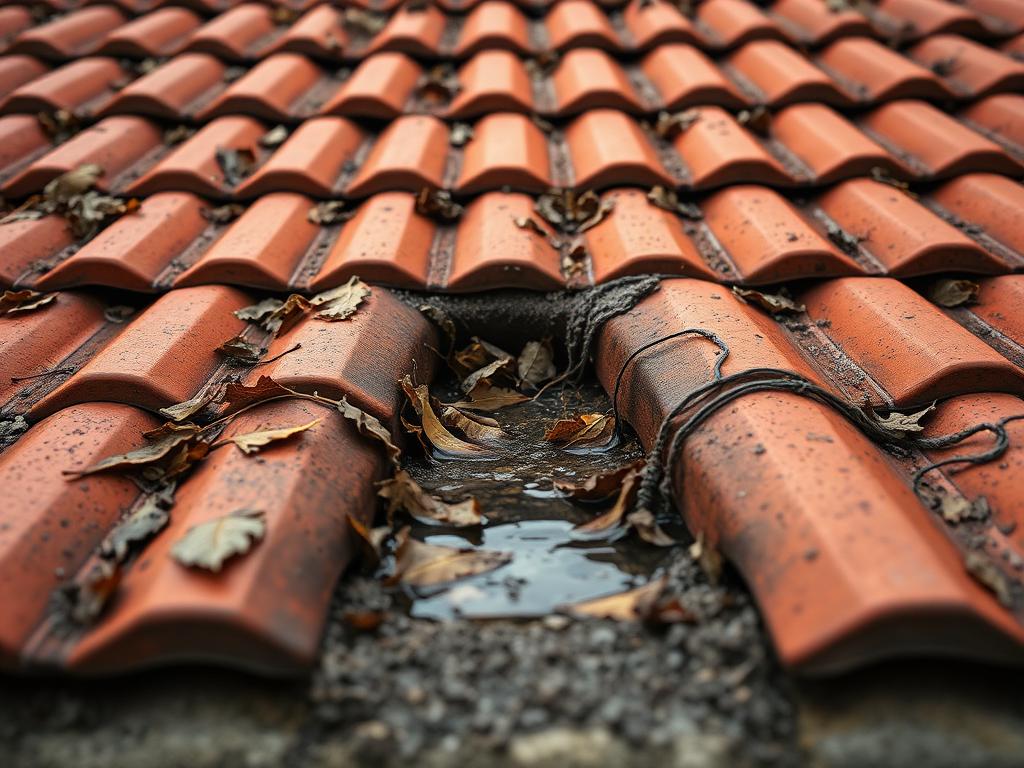 Concept visual
Before
 Concept visual
After
A blocked valley holds water against laps; a clear valley lets it leave the roof.
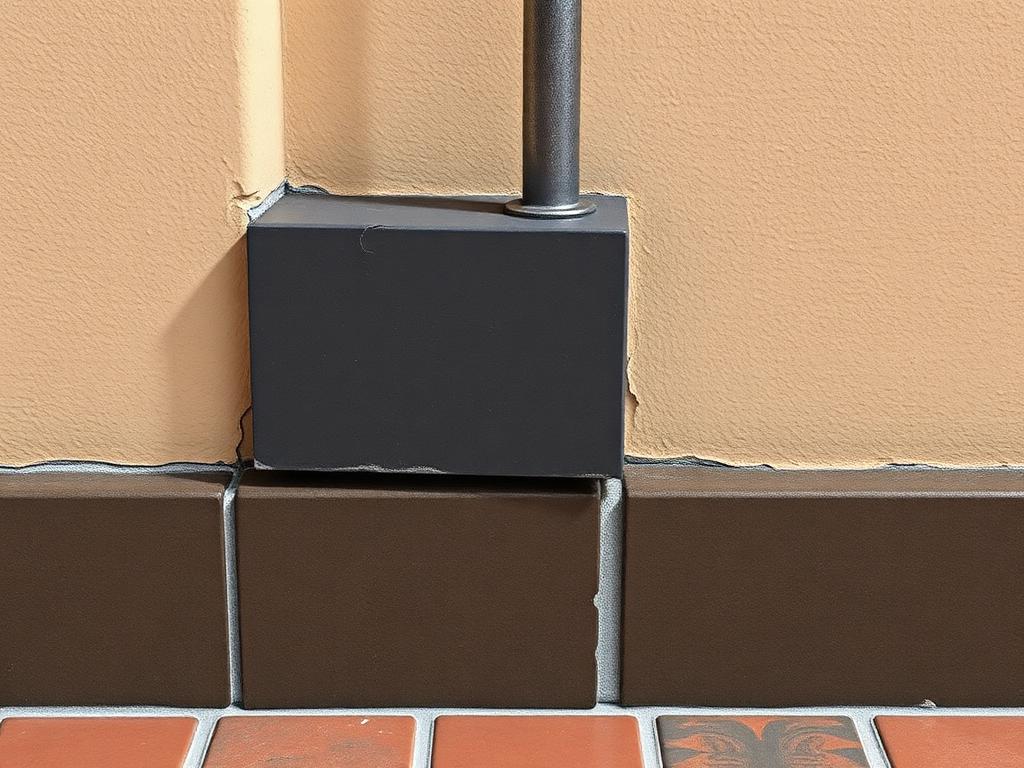 Concept visual
Before
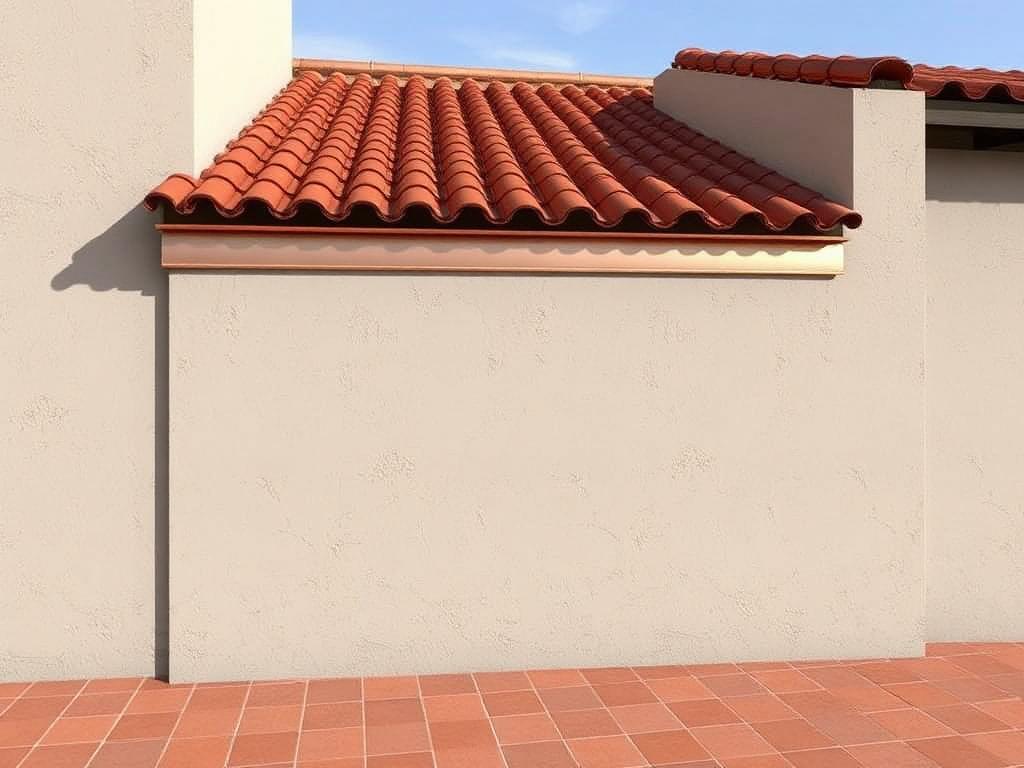 Concept visual
After
Sealant-dependent junction compared with a rebuilt, correctly lapped metal detail.
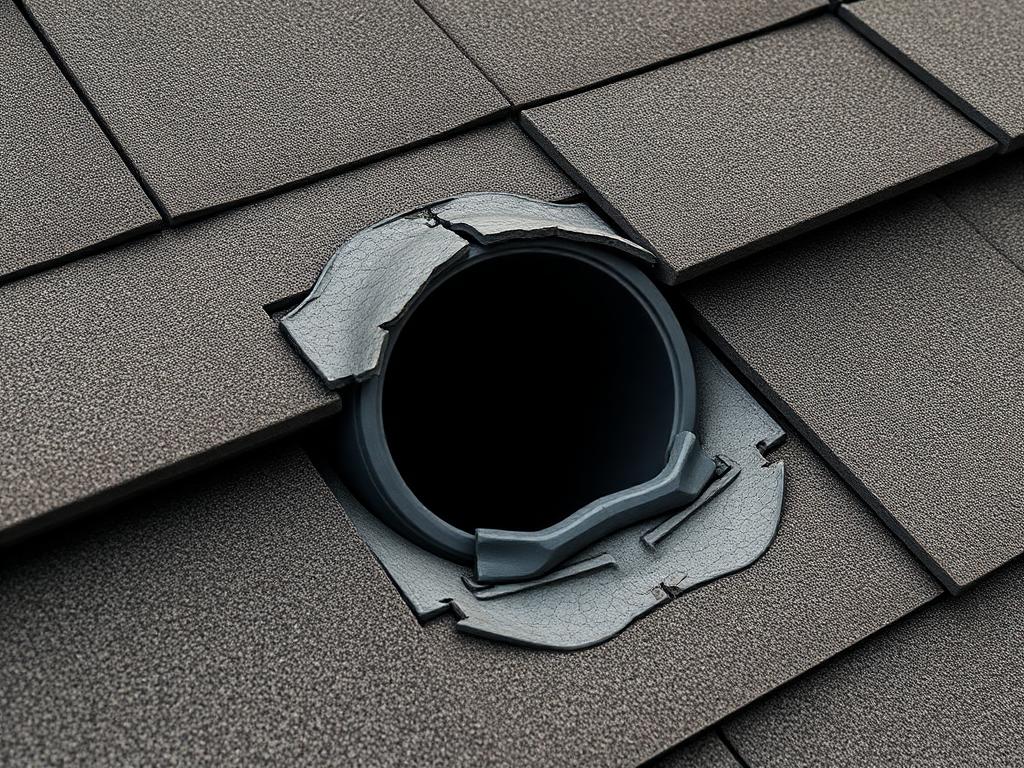 Concept visual
Before
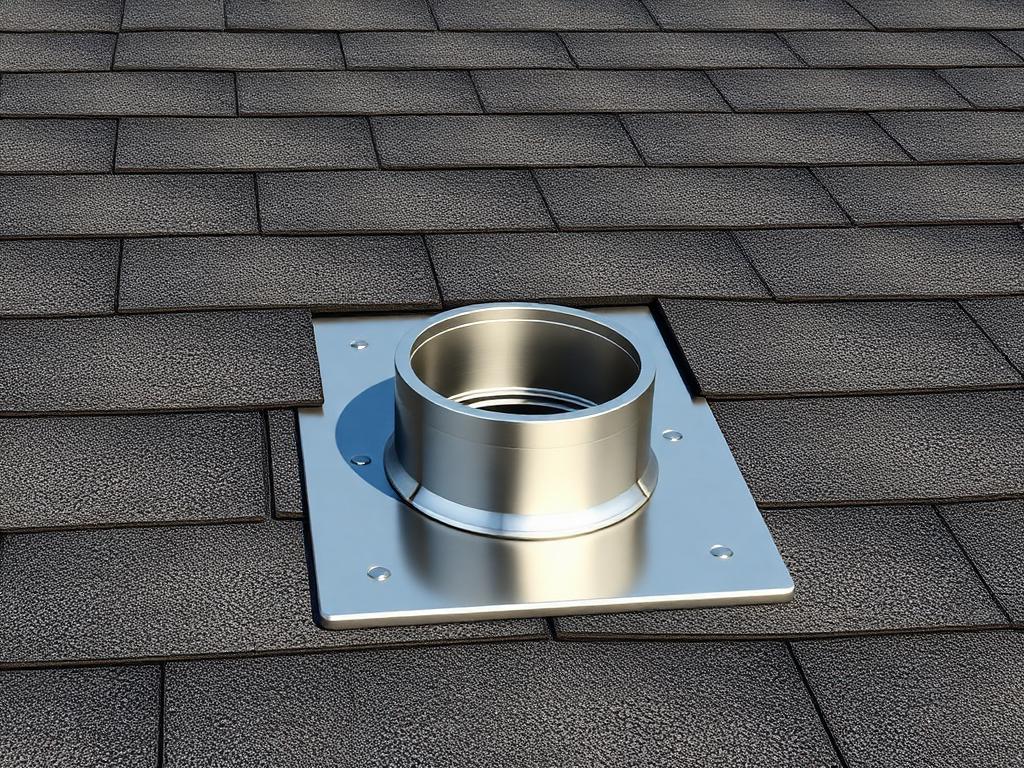 Concept visual
After
UV-split boots are one of the most common single-point leak sources in South Florida.
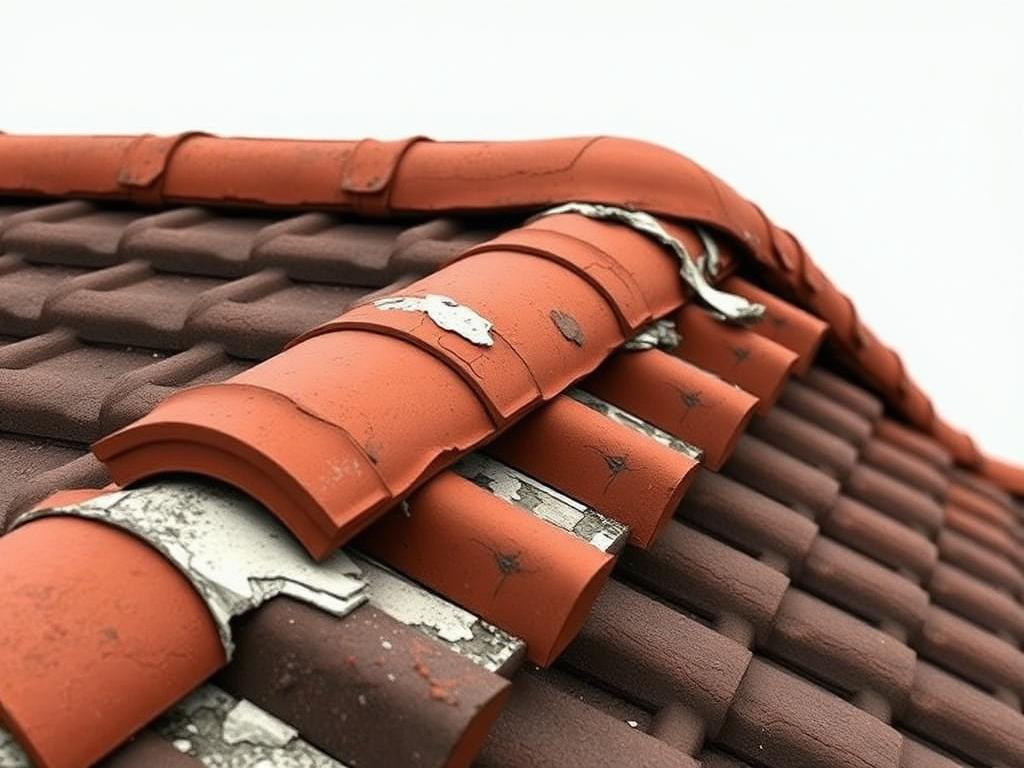 Concept visual
Before
 Concept visual
After
Ridge lines take the most uplift, so loose caps and failed closure show up there first.
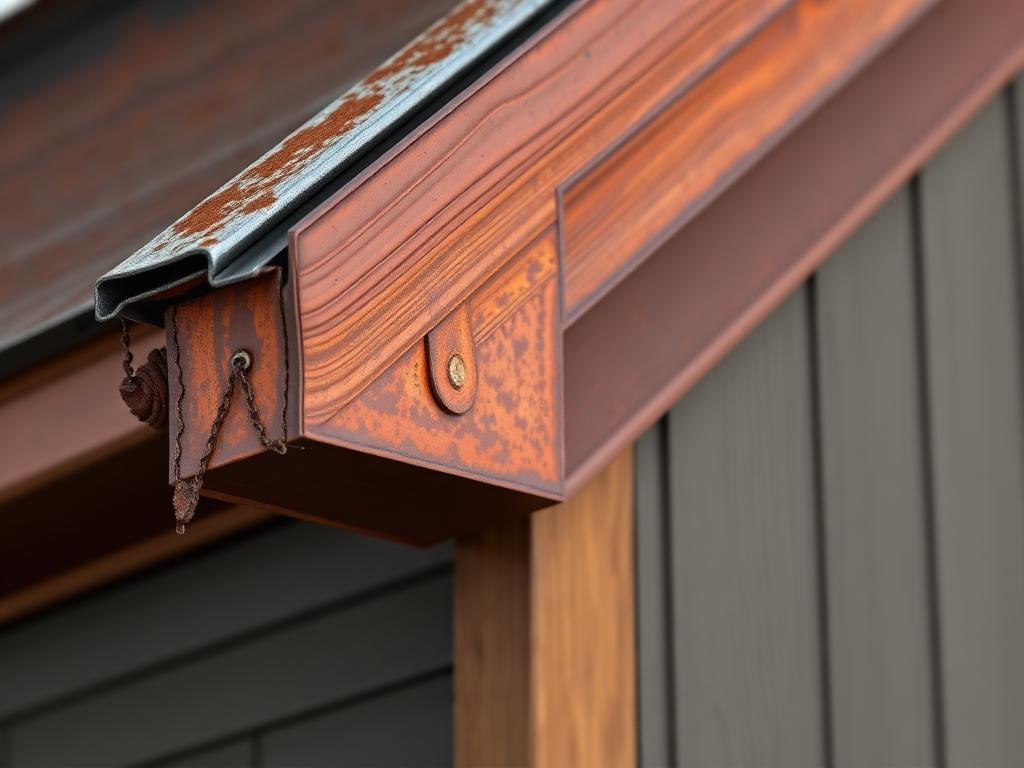 Concept visual
Before
 Concept visual
After
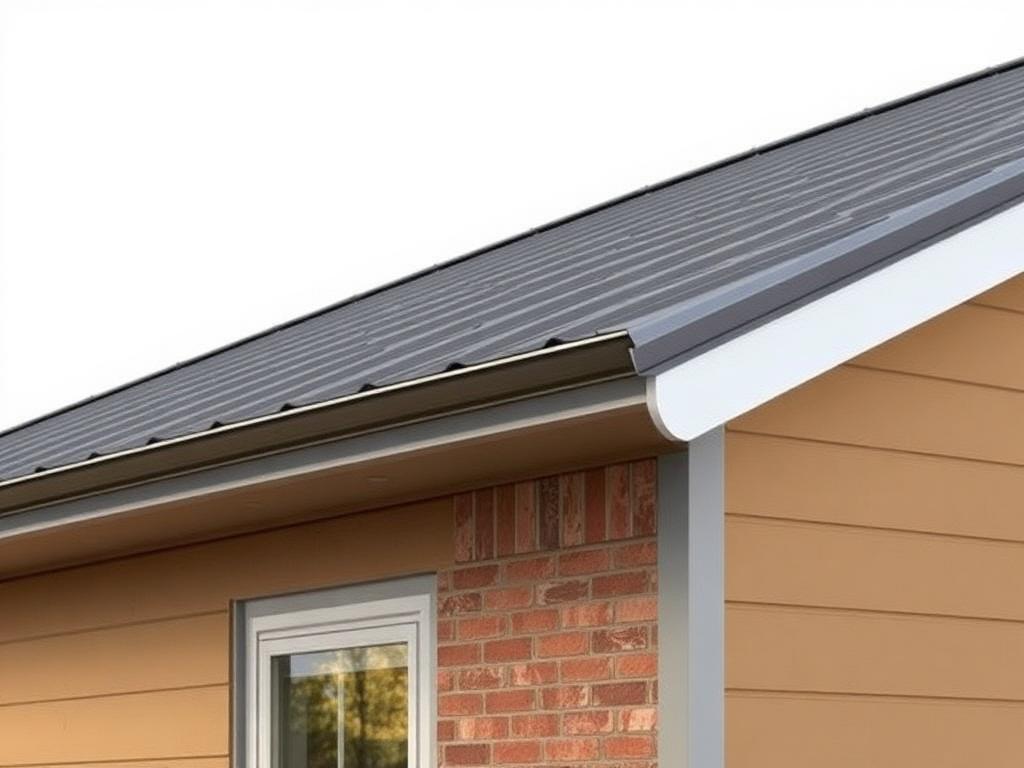
Corroded edge metal lets water track back into fascia instead of leaving the roof.
Questions
Storm damage FAQ
› Why does documentation matter so much after a storm?
Because roof conditions change. Debris gets cleared, temporary covering goes on, and a second rain event overwrites the evidence of the first. A dated, located, photographed record of what the roof looked like shortly after an event is the only reliable way to describe it later, whatever you decide to do next.
› What makes a photograph useful rather than decorative?
Location context and scale. A close-up of a lifted flashing means little without a wider shot showing where on the roof it sits, and a measurement reference — a tape, a coin, a hand — makes the size of damage readable. Date and time, from the device metadata, complete it.
› Is wind damage always visible from the ground?
Often not. Wind commonly loosens fasteners, breaks the seal between shingle courses, or shifts tile slightly without displacing it. From the driveway the roof can look untouched while the attachment that matters has been compromised, which is why post-event review looks at attachment and details rather than only at obvious gaps.
› Can you tell me whether my insurance will cover this?
No, and we will not speculate. Coverage depends on your policy language, your deductible structure, and your insurer's own determination. What can be provided is a factual condition record; the claim conversation is between you and your insurer, and this site offers no assistance with, or predictions about, that process.
› What is the risk of waiting after an event?
Compromised details usually get worse with the next rain rather than staying stable, and water that has already entered the assembly can spread into decking, insulation, and finishes. Waiting also makes it harder to distinguish damage from one event and damage from the next.
Planning roof work?
Useful notes to gather first: roof age if known, covering type, where any staining appears, and what weather brings it on. Contact details for this site are still being finalised; until then the assistant answers informational questions only.