
Service
Roof repair
Most residential roof problems are not the field of the roof failing — they are a detail failing. Repair work is about finding which detail, and rebuilding it in the order the layers were meant to go together.
Design concept imagery
Where roofs actually fail
Details before field
Open water on a healthy roof plane is the part designed to shed rain. Trouble concentrates wherever that plane is interrupted.
Every penetration, every change of direction, and every place the roof meets a wall is a joint. Joints rely on a shingle-style overlap — upper material laid over lower — plus a flashing that carries water back out onto the surface. When water shows up inside a home, the honest first question is which joint lost that overlap, not which product is on the roof.
South Florida adds its own pressure to those joints. Long UV exposure hardens underlayment and sealants, thermal cycling works fasteners loose, and wind-driven rain arrives at angles that vertical-drop assumptions never covered. A repair that respects that environment is detailed for water pushed sideways and upward, not only for water running down.
A repair scope is written per location. It names what will be lifted, what will be replaced, what will be re-fastened, and where the new material laps relative to the old. Anything that cannot be verified without opening the assembly is written as an unknown rather than assumed away.
A repair is not a condition report
Educational, not diagnostic
Common repair categories
What gets repaired, and what it involves
| Repair area | What the work typically involves |
|---|---|
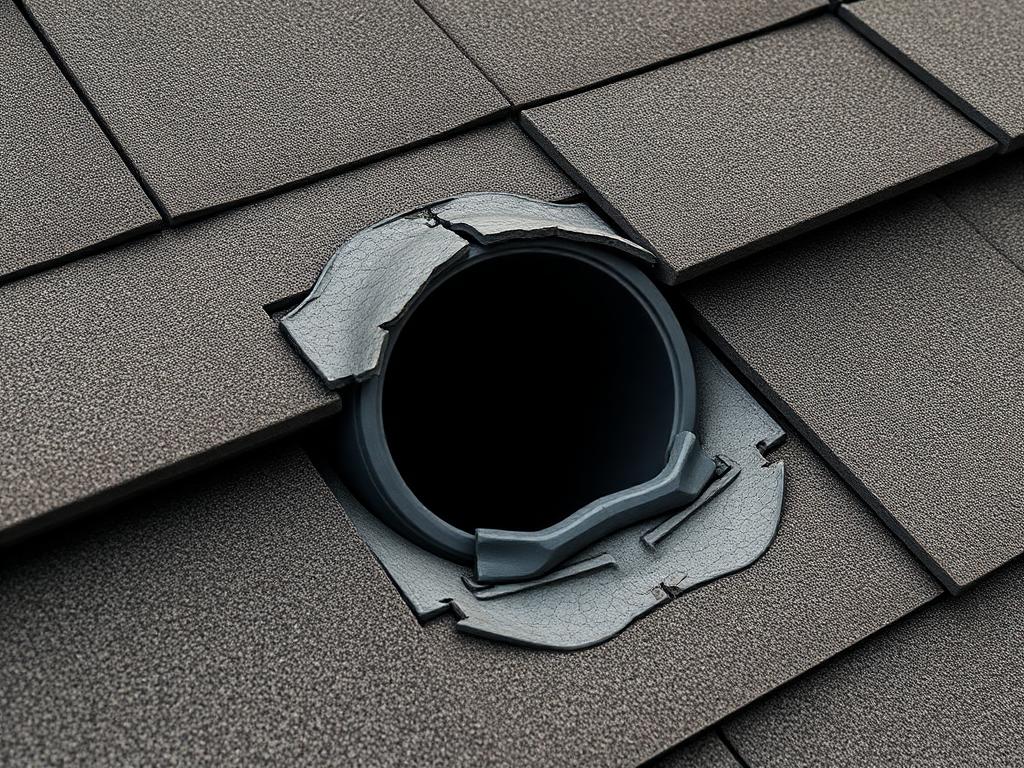
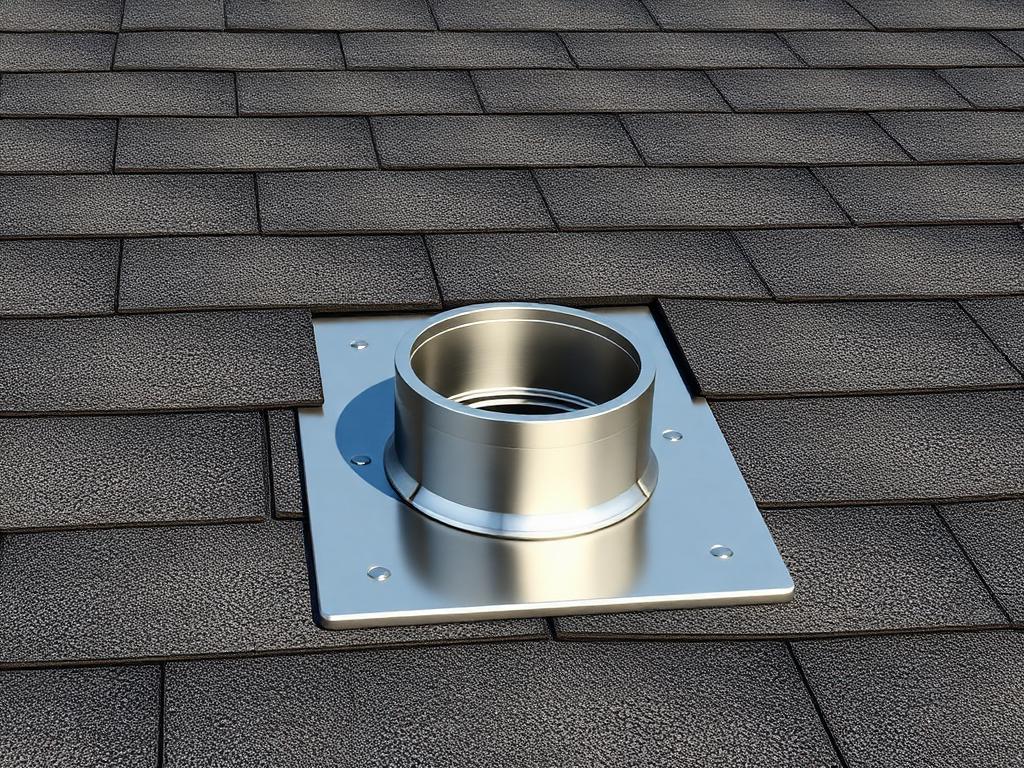
| Pipe and vent penetrations | Replacing cracked or UV-degraded boots and resetting the surrounding courses so the new collar sits under the upper material. |
| Wall and chimney flashings | Rebuilding the step or counter-flashing so the vertical leg is protected by the wall finish and the horizontal leg drains onto the roof surface. |
| Valleys | Clearing debris, checking for corrosion or displaced metal, and re-laying material to keep the valley open and continuous. |
| Displaced or broken tile | Replacing individual pieces and re-securing them, with attention to whether the underlayment beneath is still intact. |
| Lifted or missing shingles | Replacing the affected courses and checking adjacent fastener lines, since a lifted shingle is often a fastening symptom. |
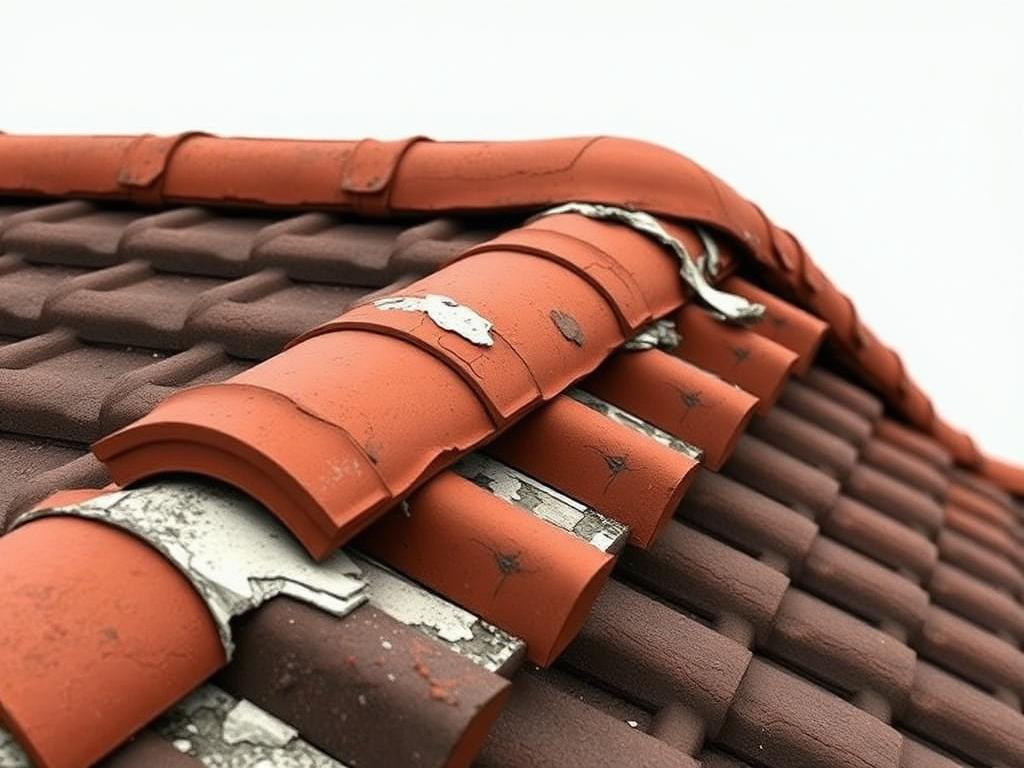
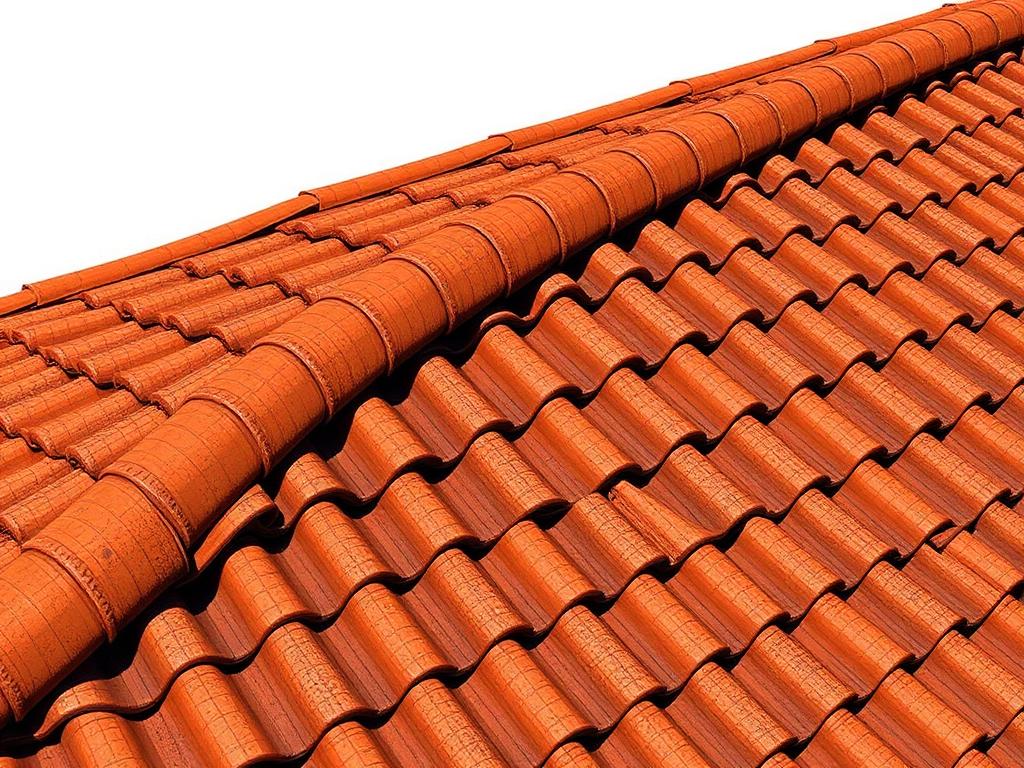
| Ridge and hip details | Re-setting caps and mortar or closure details that wind has loosened along the highest, most exposed lines. |
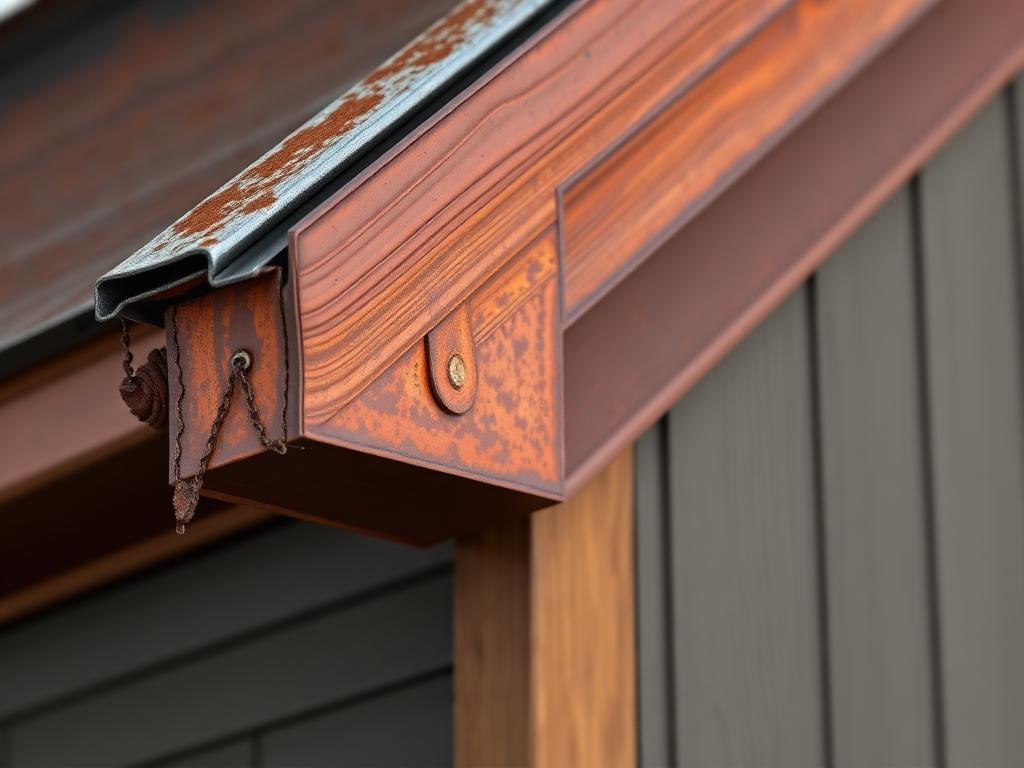
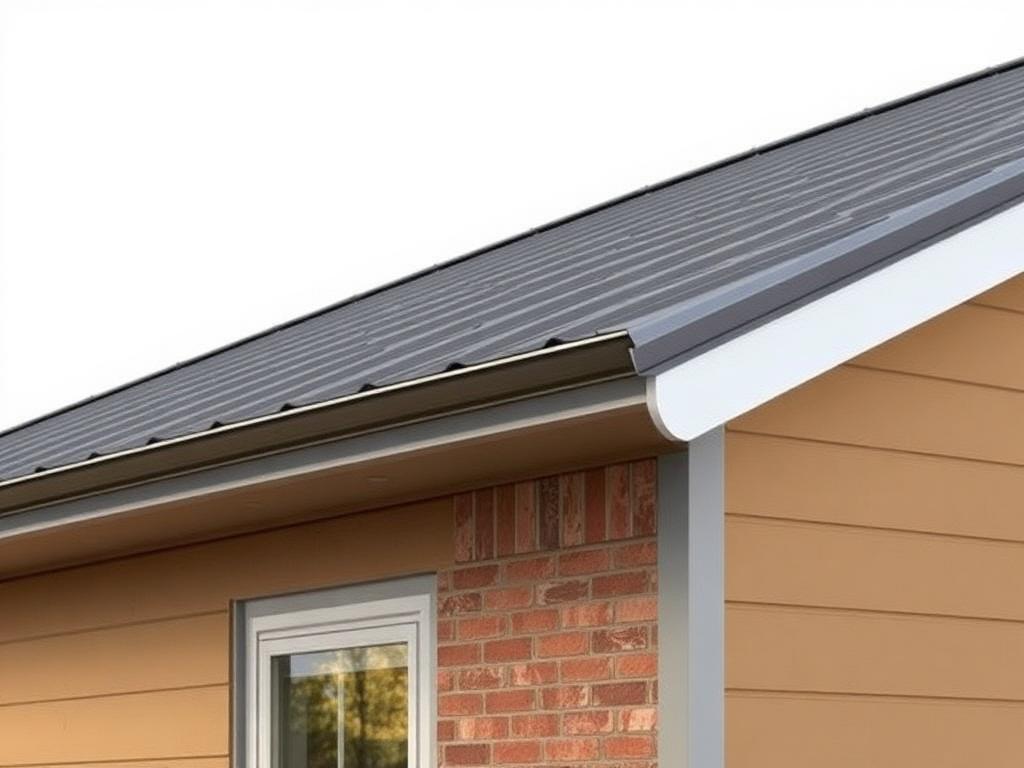
| Drip edge and eave metal | Re-fastening or replacing corroded metal so water leaves the roof edge instead of tracking back into fascia. |
| Localised deck damage | Cutting out soft sheathing back to sound framing, replacing it, and rebuilding underlayment and covering above. |
Gallery
Before / after — illustrative detail pairs
Generated concept visuals of common roof details, each tagged as a concept visual. No past-project photography is published here.
Illustrative concept visuals of common roof details, not photographs of past projects. Owner-supplied project photography can replace these pairs directly.
 Concept visual
Before
 Concept visual
After
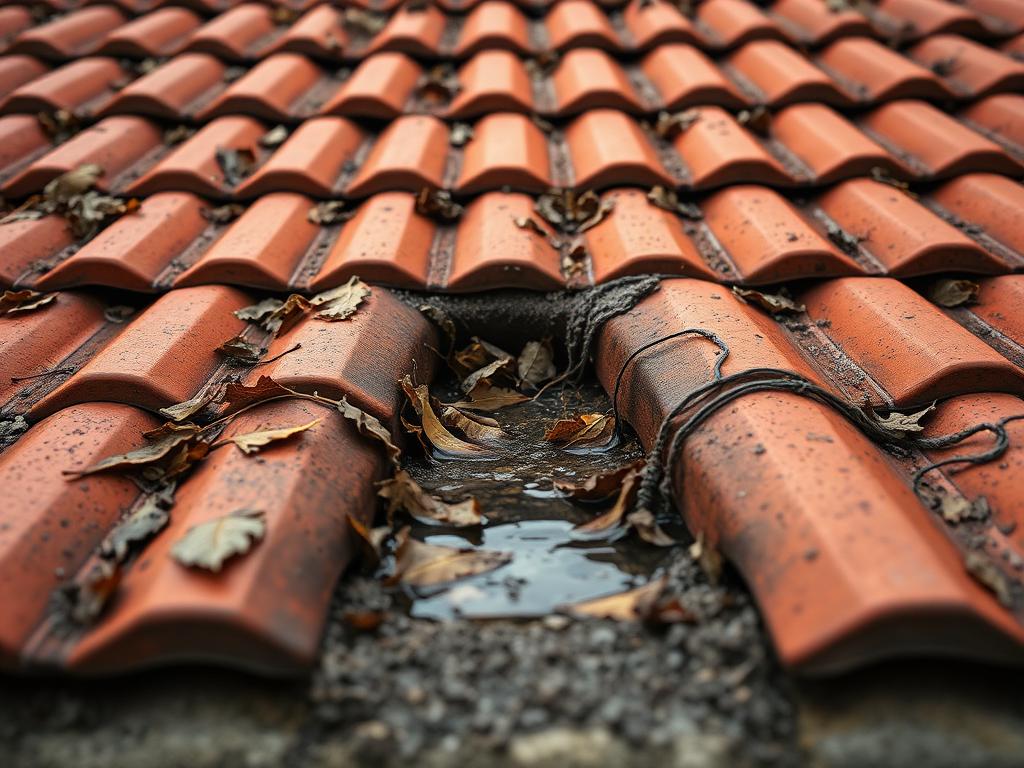
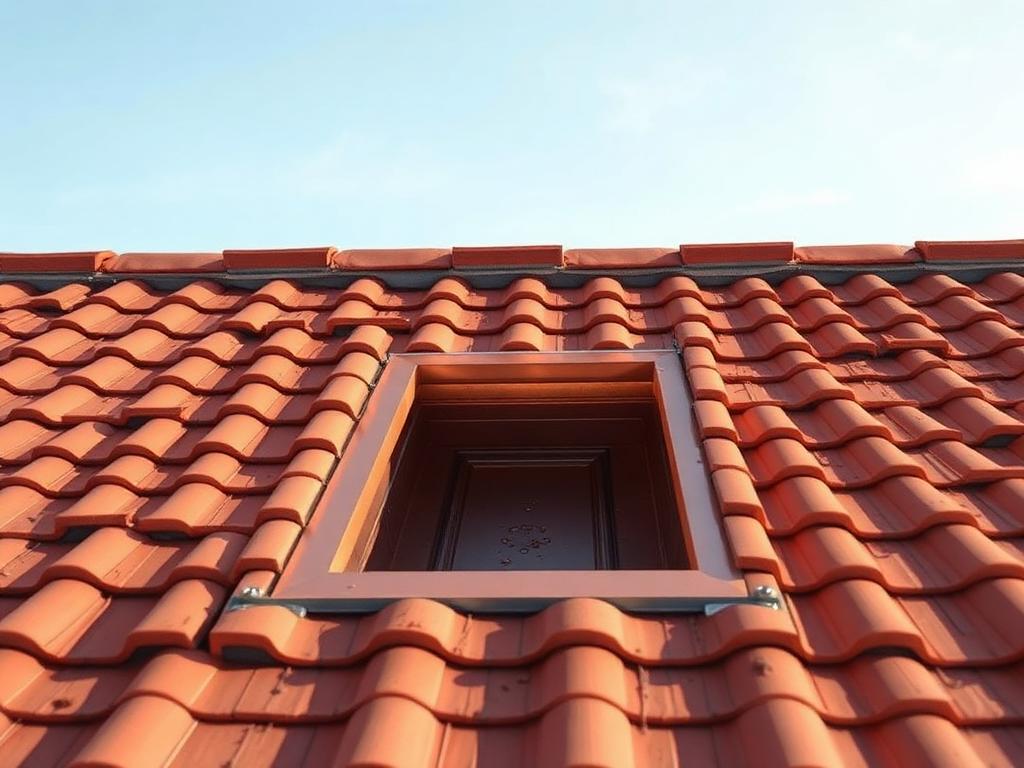
A blocked valley holds water against laps; a clear valley lets it leave the roof.
 Concept visual
Before
 Concept visual
After
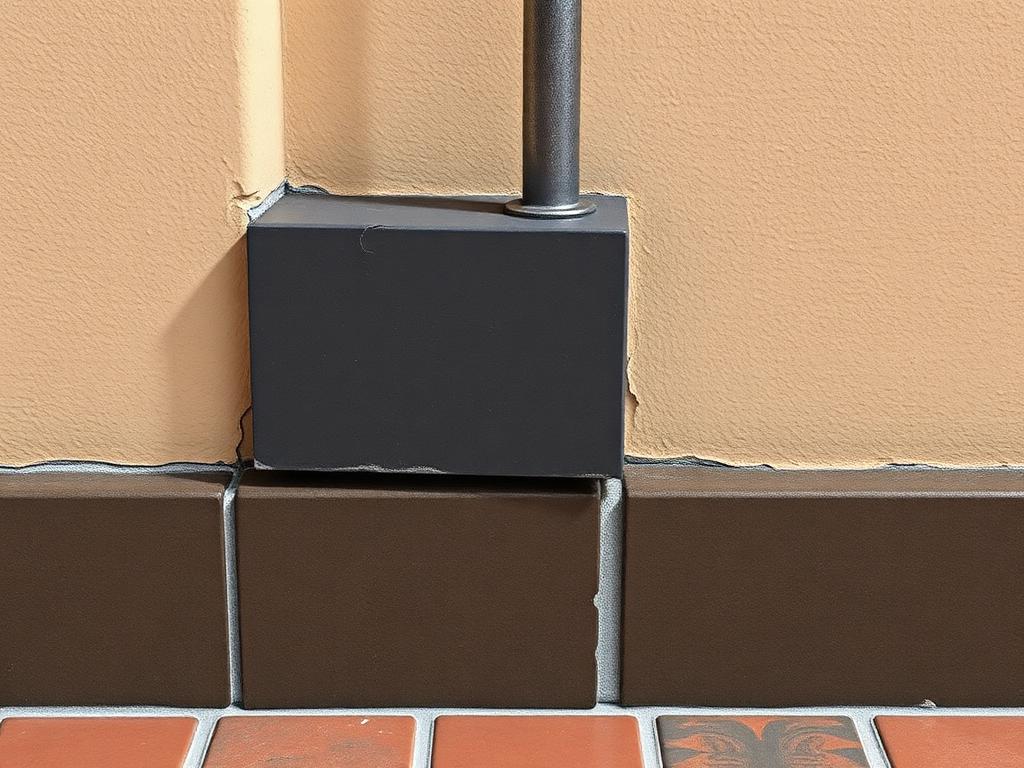
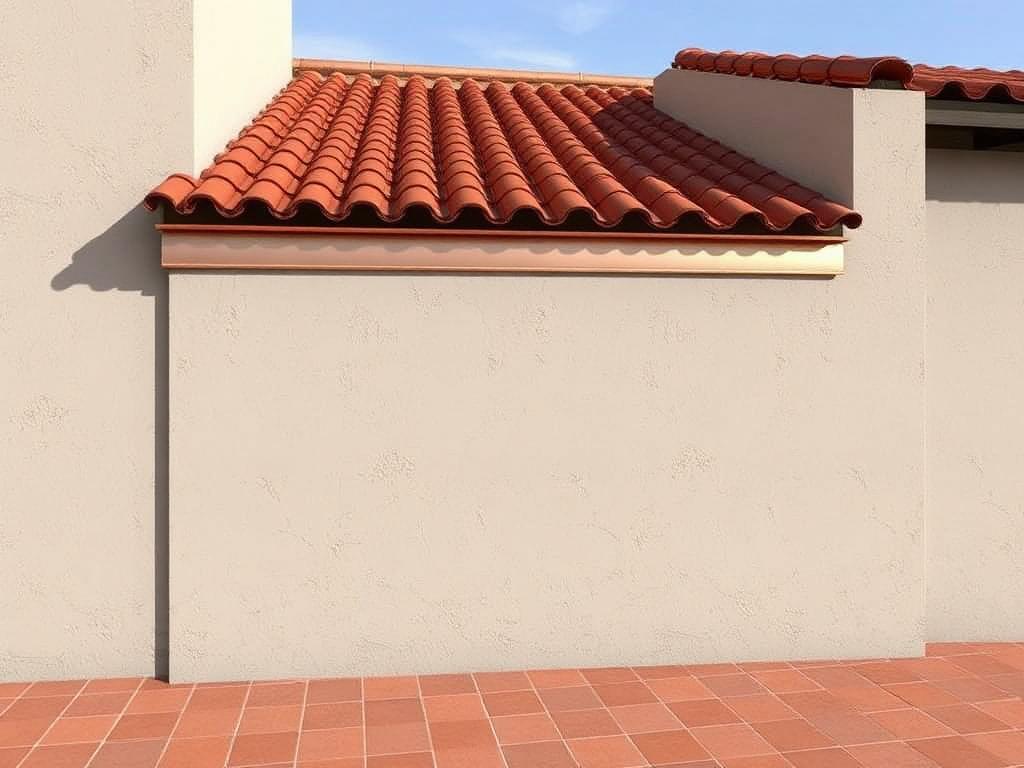
Sealant-dependent junction compared with a rebuilt, correctly lapped metal detail.
 Concept visual
Before
 Concept visual
After
UV-split boots are one of the most common single-point leak sources in South Florida.
 Concept visual
Before
 Concept visual
After
Ridge lines take the most uplift, so loose caps and failed closure show up there first.
 Concept visual
Before
 Concept visual
After
Corroded edge metal lets water track back into fascia instead of leaving the roof.
Questions
Roof repair FAQ
› How do I tell a repair from a replacement?
The question is whether the failure is local or systemic. A cracked boot, a lifted flashing leg, or a short run of displaced tile is local — the deck and underlayment around it are still doing their job. When the underlayment has aged past its service life across the whole plane, or fasteners are backing out in several areas at once, repairs start chasing each other and a planned replacement usually becomes the more sensible discussion.
› Why do repairs sometimes need the surrounding area opened up?
A roof is layered, and water travels along the layers rather than straight down. To reset a piece of flashing or replace a section of underlayment correctly, the courses above it generally have to be lifted so the new material tucks under, not over. Patching on top of a course is the shortcut that tends to fail at the next heavy rain.
› Is roofing cement a real fix?
Sealant has a place as a temporary measure or as a secondary detail, but it is not a substitute for correct lapping and mechanical attachment. Thick beds of cement often hide the actual defect, hold moisture against the deck, and become brittle in Miami sun, which is why a repaired area is worth revisiting after a season.
› Can repairs be done on a wet roof?
Some emergency stabilisation can, but durable repairs generally need a dry, cool-enough surface so adhesives bond and sealants cure. That is why urgent work is often split into two visits: stop the water first, then complete the permanent detail when conditions allow.
› Should I repair before or after an inspection?
An inspection first is usually the cheaper order of operations. Repairing the symptom you can see without documenting the surrounding condition can mean paying twice for access to the same area.
Planning roof work?
Useful notes to gather first: roof age if known, covering type, where any staining appears, and what weather brings it on. Contact details for this site are still being finalised; until then the assistant answers informational questions only.