Service
Roof maintenance planning
Most roofs that fail early are not defeated by their material. They are defeated by blocked drainage, trapped debris, and small details left alone until they became deck problems.
Design concept imagery
The idea
A plan, kept on paper, revisited on a rhythm
Maintenance is not a product. It is a short list of checks, done on a schedule, with the findings written down so change over time is visible.
A useful plan is built around your specific roof: its slope areas, its penetration count, its tree exposure, and whether it has low-slope sections where water lingers. A simple gabled shingle roof in the open needs a shorter list than a tile roof with three wall junctions, two skylights, and a flat rear addition.
The rhythm follows the local calendar. In Miami the meaningful boundary is the summer rain and storm season, so a pre-season pass focused on drainage and attachment, and a post-season pass focused on what the season actually did, covers most of the value. An additional look after any notable wind event is worth building into the expectation rather than treating as exceptional.
What makes a plan work is the record. Photographs of the same locations each visit turn vague impressions into a trend you can read: a sealant bead that is drying out, a tile that keeps shifting, a valley that fills faster every year. That trend is what lets you budget for a replacement on your timing instead of an emergency's timing.
Not a warranty or service contract
Gentle beats aggressive
Seasonal rhythm
What each pass focuses on
| When | Focus |
|---|---|
| Before the rain season | Drainage clearance, debris removal, attachment spot-checks at edges and ridges, and sealant condition at penetrations. |
| After heavy rain | Interior check for new staining, plus a look at any location that has leaked before. |
| After a wind event | Displaced or shifted covering, edge and ridge condition, ground debris, and gutter separation. |
| After the season ends | Full detail review, comparison against the previous photo set, and a list of items to plan for. |
| Annually | Attic underside review for staining, damp sheathing, and ventilation function. |
| Ongoing | Tree clearance so branches do not abrade the surface or hold moisture and debris against it. |
Checklist
Recurring maintenance items
The items that most often prevent avoidable damage, in rough order of how frequently they matter.
| Item | Why it earns a place on the list |
|---|---|
| Clear valleys and low points | Debris dams water and raises its level above the height laps were designed to handle. |
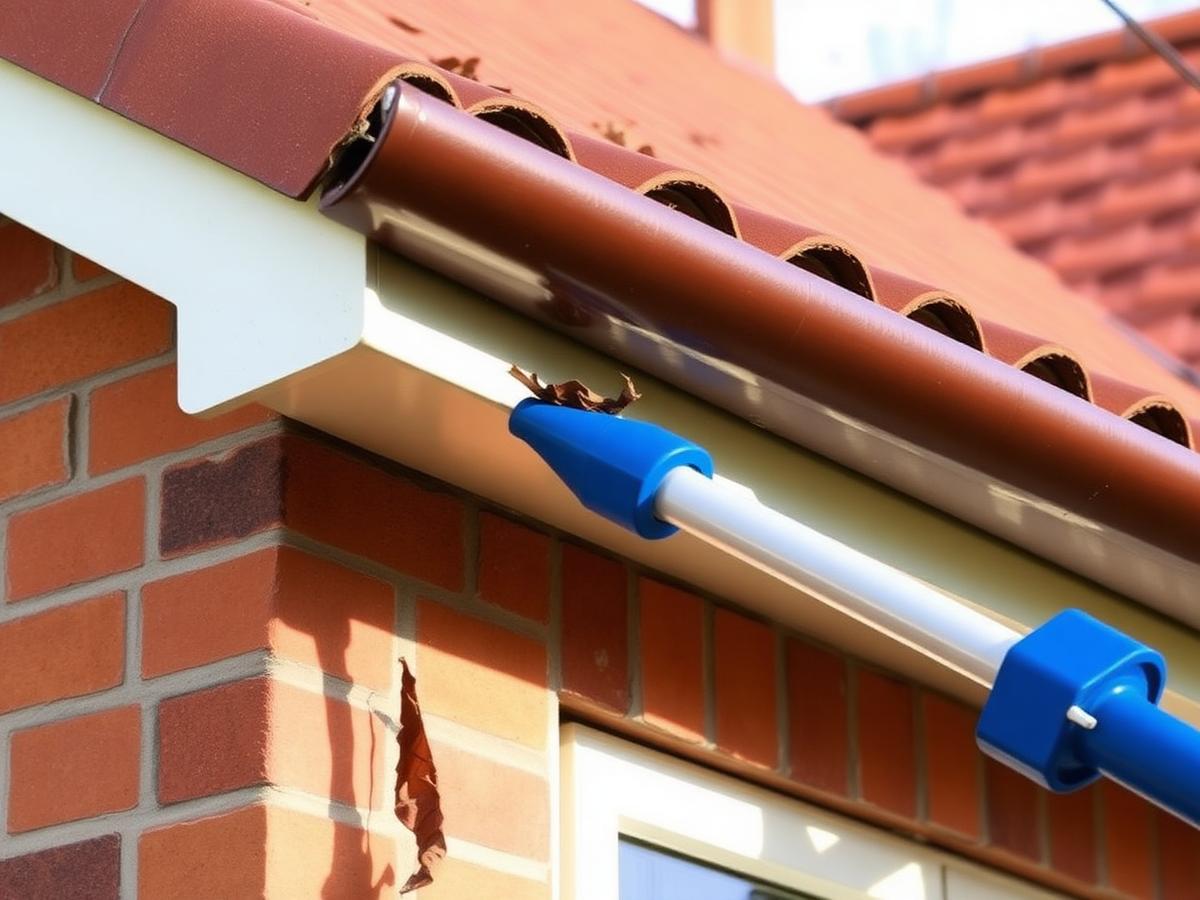
| Clear gutters and downspouts | Backed-up gutters push water at the roof edge and into fascia rather than away from it. |
| Check low-slope drains and scuppers | Ponding on a shallow plane is the single most common cause of premature membrane failure. |
| Inspect penetration boots and collars | Rubber and sealant degrade under UV long before the covering around them does. |
| Review flashing legs at walls | Small displacements here concentrate a lot of water at one point. |
| Check ridge and hip attachment | The highest lines see the most uplift, so they loosen first. |
| Confirm ventilation is unobstructed | Blocked intake or exhaust raises attic heat and moisture, which shortens deck and covering life. |
| Re-photograph known problem spots | Comparison over time is what distinguishes stable wear from active deterioration. |
Questions
Maintenance FAQ
› Does maintenance really extend a roof's life?
It cannot change how a material ages, but it can stop the avoidable failures that end roofs early — blocked drainage, debris held against the surface, small flashing defects left until they involve the deck. The honest framing is that maintenance reduces preventable damage; it is not a way to buy guaranteed extra years.
› What is a sensible rhythm in South Florida?
Many owners work on a twice-yearly pattern: once before the summer rain and storm season, once after it, plus a look following any significant wind event. Roofs with heavy tree cover, many penetrations, or low-slope areas usually justify more frequent attention than simple steep roofs in the open.
› Is pressure washing a good idea?
Generally not on roof coverings. High pressure can drive water under laps, strip granules from shingles, and force water into details from the wrong direction. Where biological growth is a concern, gentler approaches suited to the specific covering are the safer conversation.
› Why does drainage get so much attention?
Because standing and slow-moving water finds every marginal detail. Blocked valleys, full gutters, and clogged low-slope drains raise water levels above the height details were designed for, which turns a lap that works in normal rain into an entry point.
› What can an owner reasonably do themselves?
Ground-level observation, keeping gutters clear where they can be reached safely from a stable ladder, cutting back branches that touch the roof, and watching the ceiling after heavy rain. Anything requiring walking on the roof is better left to someone equipped for it.
Planning roof work?
Useful notes to gather first: roof age if known, covering type, where any staining appears, and what weather brings it on. Contact details for this site are still being finalised; until then the assistant answers informational questions only.