Who this is
About this roofing division
Roofs are a layered system, and talking about them properly takes more room than a general services page allows. This is the roofing arm of Handyman in Miami, focused on nothing else.
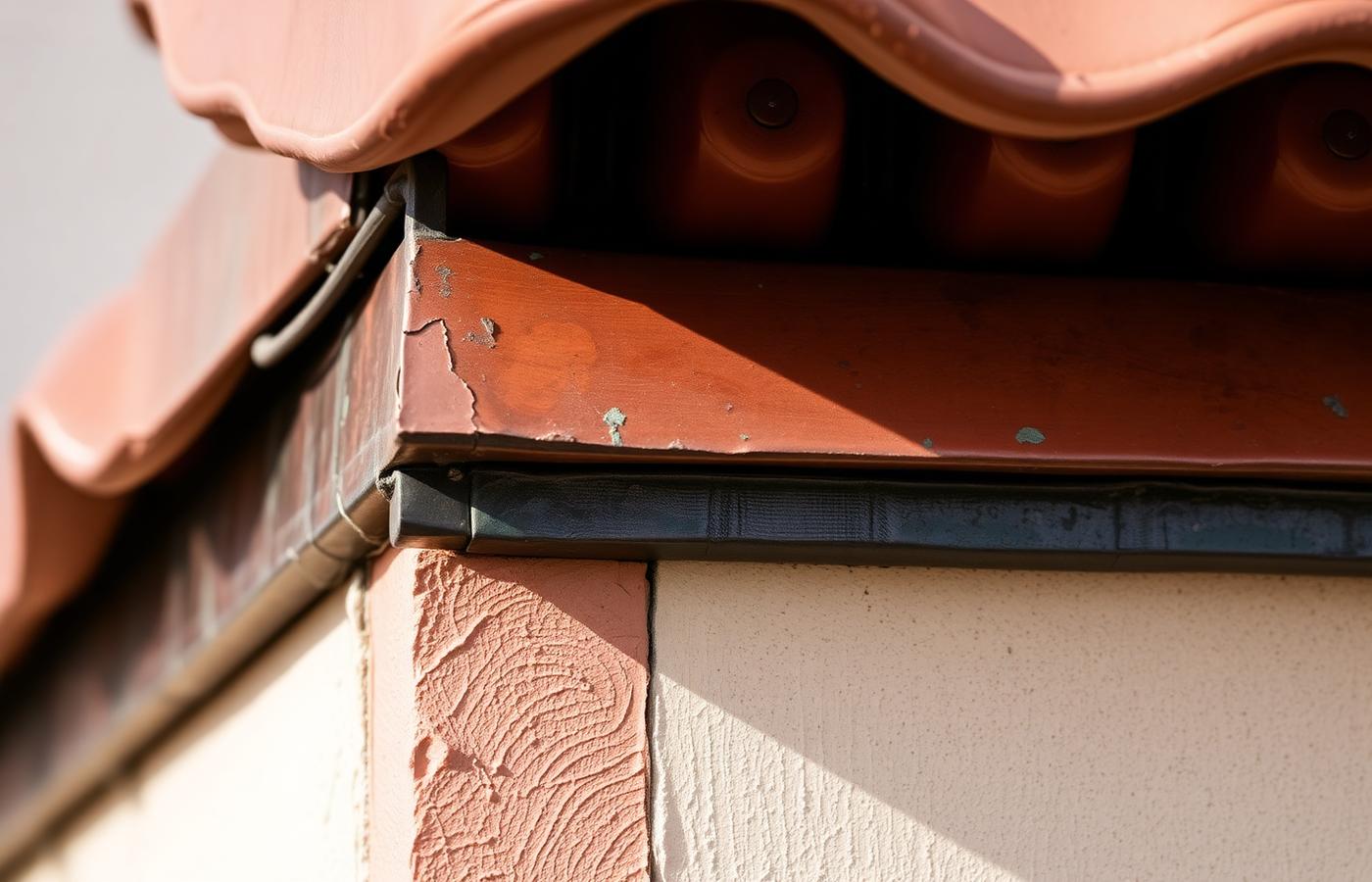
Design concept imagery
Why a separate site
A roof is an assembly, not a product
Most roofing marketing talks about the covering — the tile, the shingle, the metal — because that is the part people can see. But the covering is only the outermost layer. The deck carries load, the fastening holds it all down, the underlayment stops water, and the flashing handles every place the surface has to be interrupted. Leaks live in that interior detail, not in the colour of the roof.
So this site is organised around the assembly. Each service page explains what is being examined or rebuilt and why the layer order matters, with tables you can hold up against any proposal, including one from somebody else.
We also try to be honest about what a website can do. It cannot see your deck, feel whether a boot has gone brittle, or tell you where water entered. What it can do is give you enough vocabulary that a site visit turns into a real conversation rather than a sales presentation you have to take on faith.
How scopes are written
Detail by detail, in writing
A scope should name the areas included, the materials going back in each layer, the specific details being rebuilt, how debris is handled, and how hidden deck repair will be measured if tear-off finds it. Where two roof planes need different treatment, they read differently on the sheet. Nothing collapses into one house-wide number with no breakdown behind it.
What is not claimed here
No stock project photos
Educational, not diagnostic
Part of a larger brand
Working approach
Habits this division tries to keep
| Practice | In practice |
|---|---|
| Assess before proposing | The condition survey and photographs come before any scope or figure is discussed. |
| Build in layer order | Underlayment, edge metal, and flashing go in before covering — never sealant over a defect. |
| Recommend the smaller job when it fits | A local failure on an otherwise sound assembly is a repair, and is described as one. |
| State the trade-off | Each option gets its downside named, not only its selling point. |
| Name the unknowns up front | Deck condition and hidden detail work are flagged as variables before work begins. |
| Document with photographs | Findings and finished details are recorded so the record survives memory. |
| Leave the site clean | Debris, gutters, and a fastener sweep are part of the job, not an extra. |
Gallery
Project photography — reserved
Upload-ready slots for owner-provided before and after images. Nothing here is a real project photo.
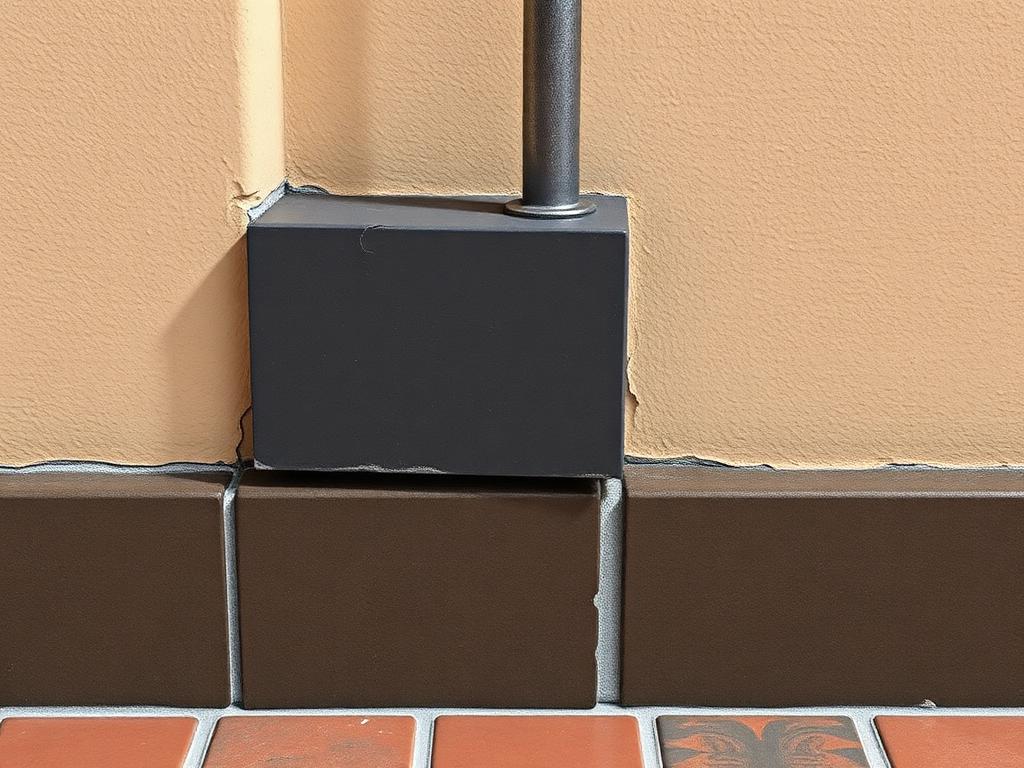
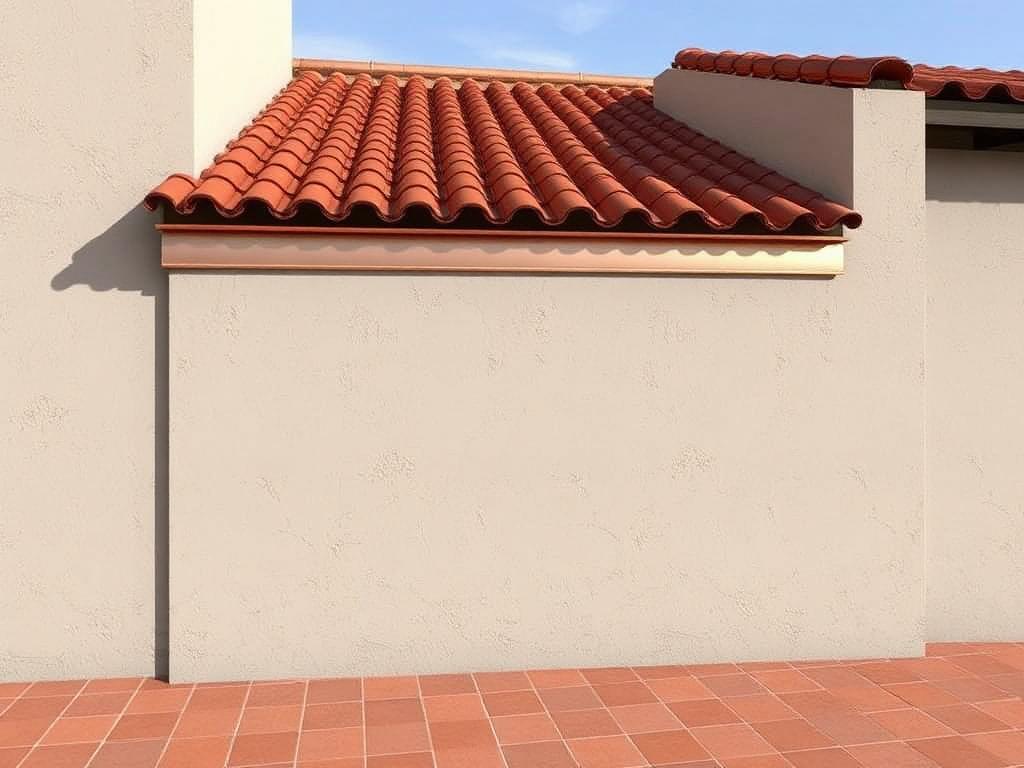
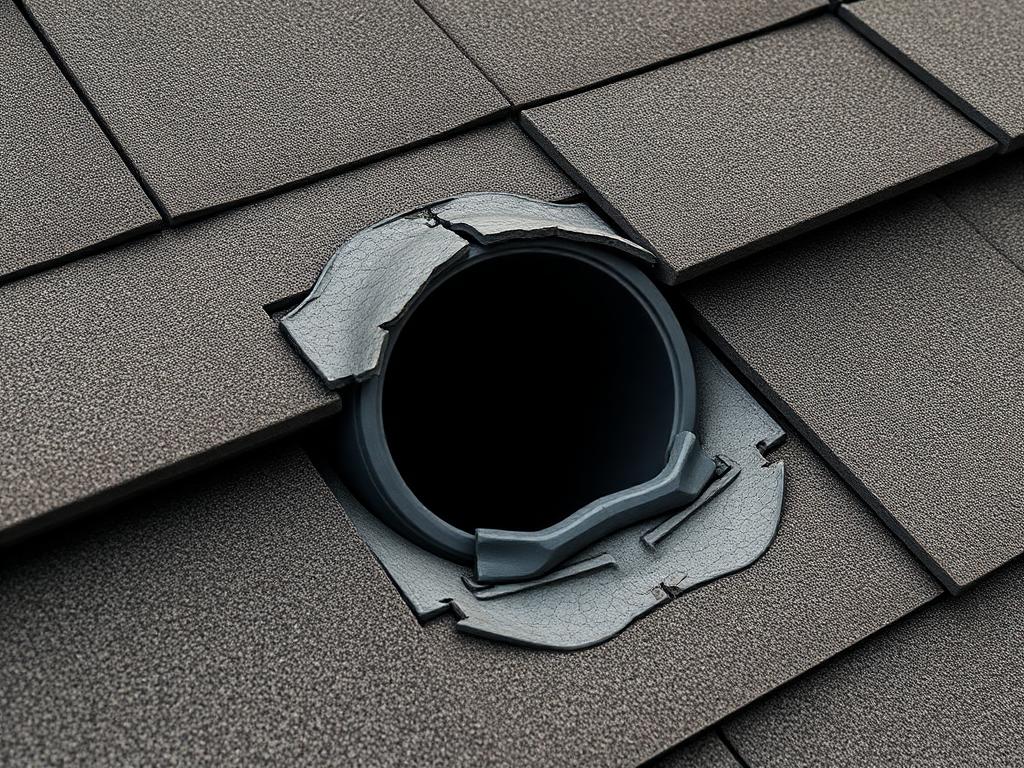
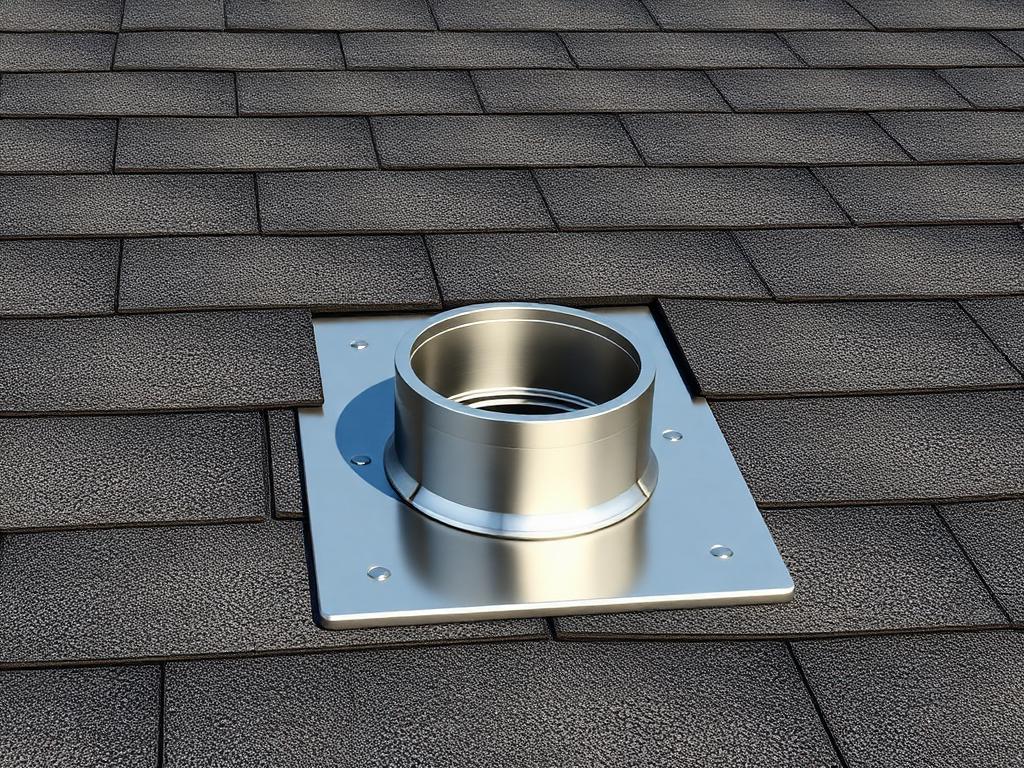
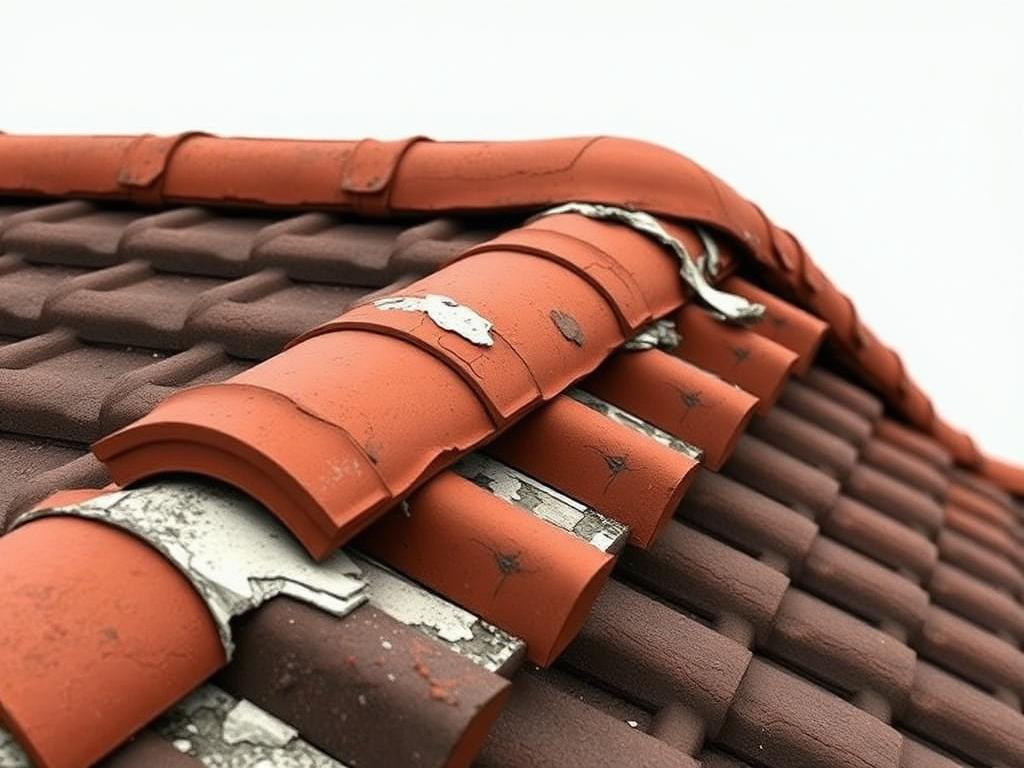
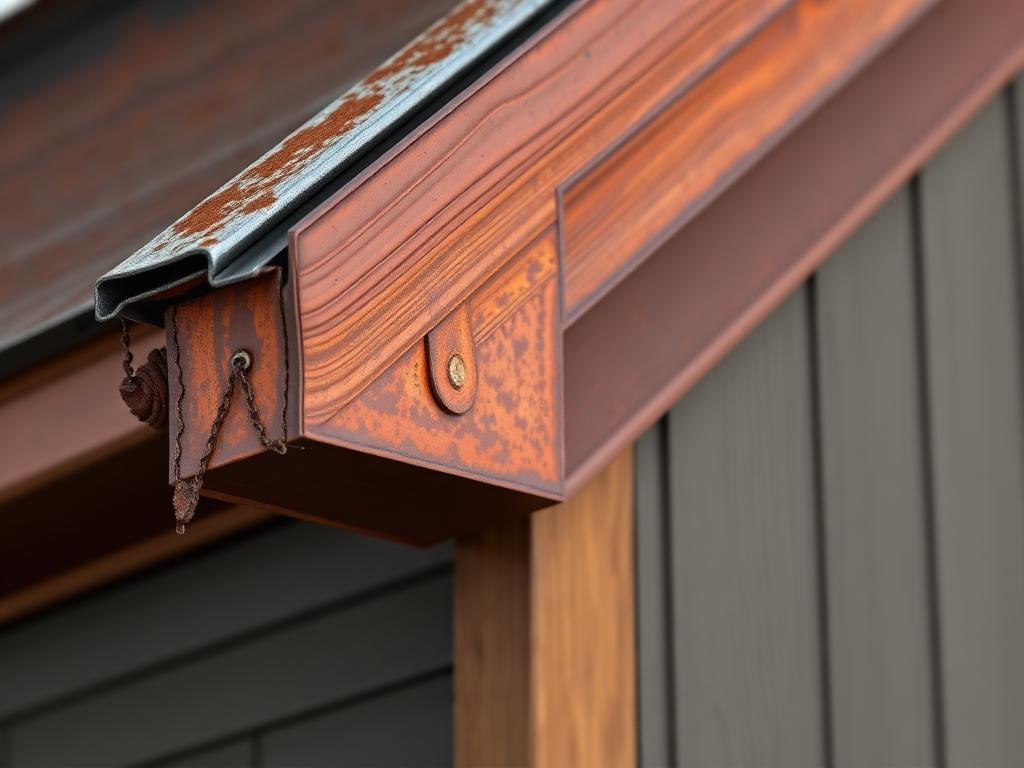
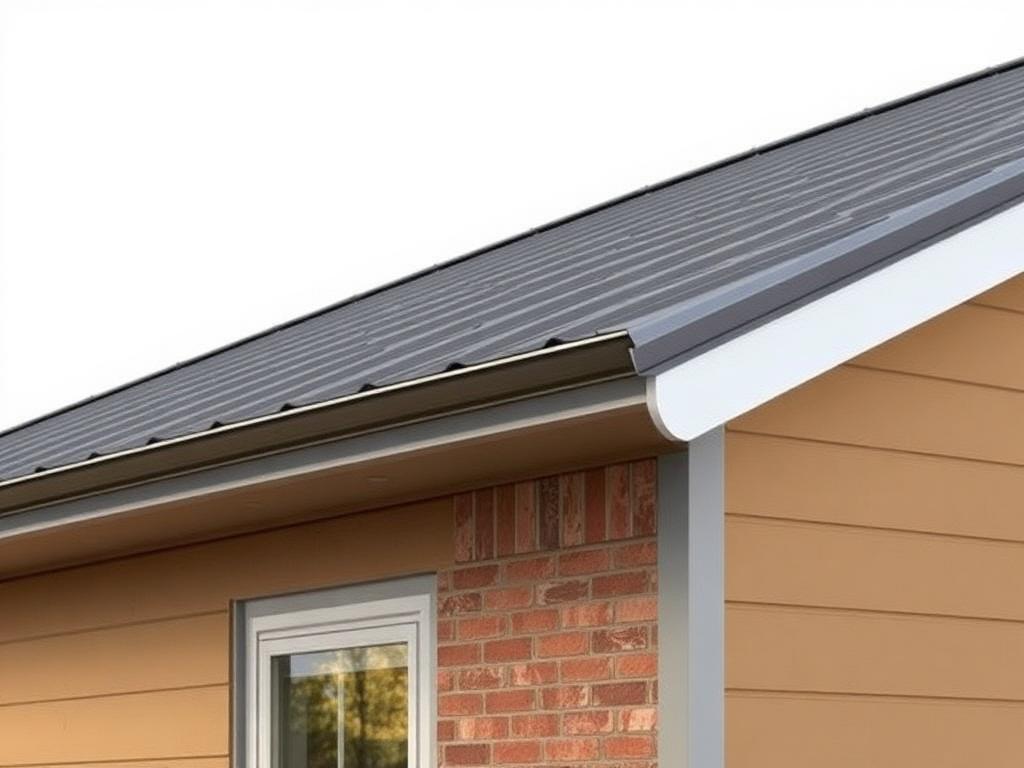
Illustrative concept visuals of common roof details, not photographs of past projects. Owner-supplied project photography can replace these pairs directly.
 Concept visual
Before
 Concept visual
After
A blocked valley holds water against laps; a clear valley lets it leave the roof.
 Concept visual
Before
 Concept visual
After
Sealant-dependent junction compared with a rebuilt, correctly lapped metal detail.
 Concept visual
Before
 Concept visual
After
UV-split boots are one of the most common single-point leak sources in South Florida.
 Concept visual
Before
 Concept visual
After
Ridge lines take the most uplift, so loose caps and failed closure show up there first.
 Concept visual
Before
 Concept visual
After
Corroded edge metal lets water track back into fascia instead of leaving the roof.
Planning roof work?
Useful notes to gather first: roof age if known, covering type, where any staining appears, and what weather brings it on. Contact details for this site are still being finalised; until then the assistant answers informational questions only.