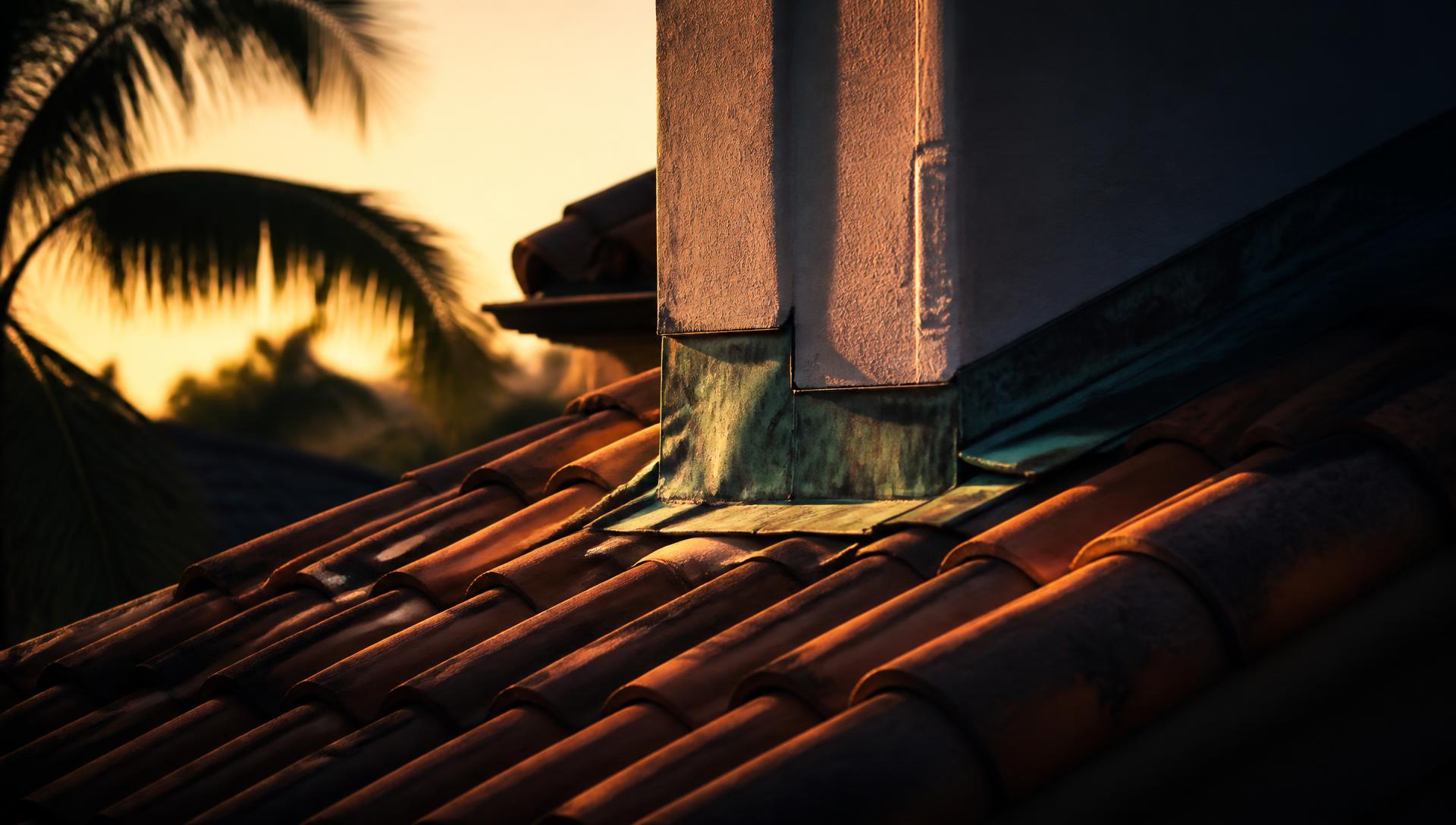
Roofing division — Miami-Dade County
Roof work explained layer by layer, before anyone quotes it
A roof is an assembly: deck, fastening, underlayment, flashing, covering. Almost every leak is one of those layers interrupted badly at one point. This site explains where roofs fail and how the work is scoped — in plain language, with nothing overstated.
Design concept imagery
What this site covers
Seven pieces of roof work, each with its own page
No packages and no bundles. Each service page explains the method, what gets examined, and where the honest limits are.
 Concept visual
Roof repair
Flashings, penetrations, displaced tile and shingle courses, and localised deck work — rebuilt in the order the layers were meant to go together.
 Concept visual
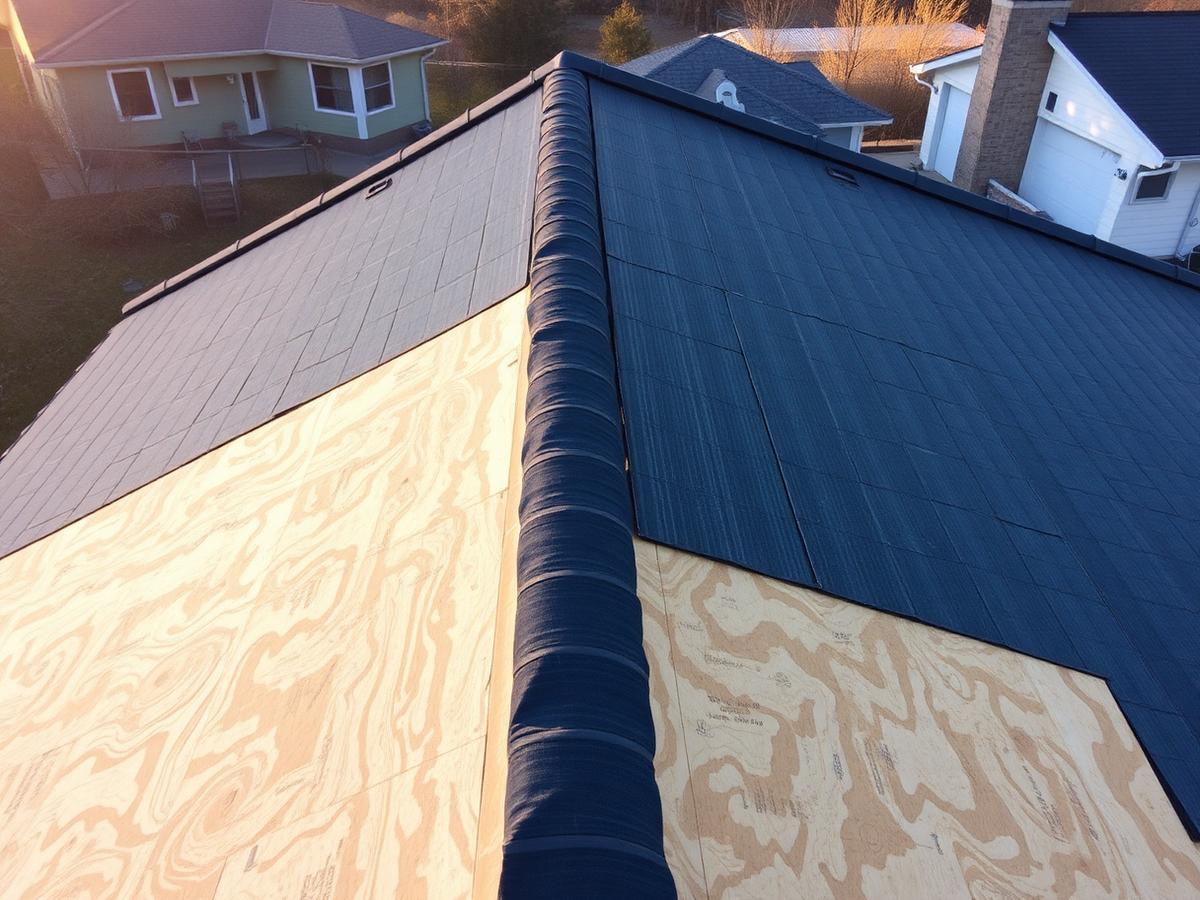
Roof replacement
Tear-off, deck assessment, underlayment, edge metal, and covering. A rebuild of the whole assembly, not a new surface over an old one.
 Concept visual
Leak troubleshooting
Working backwards from the stain, mapping the water path, and eliminating candidate details one at a time instead of sealing the nearest guess.
 Concept visual
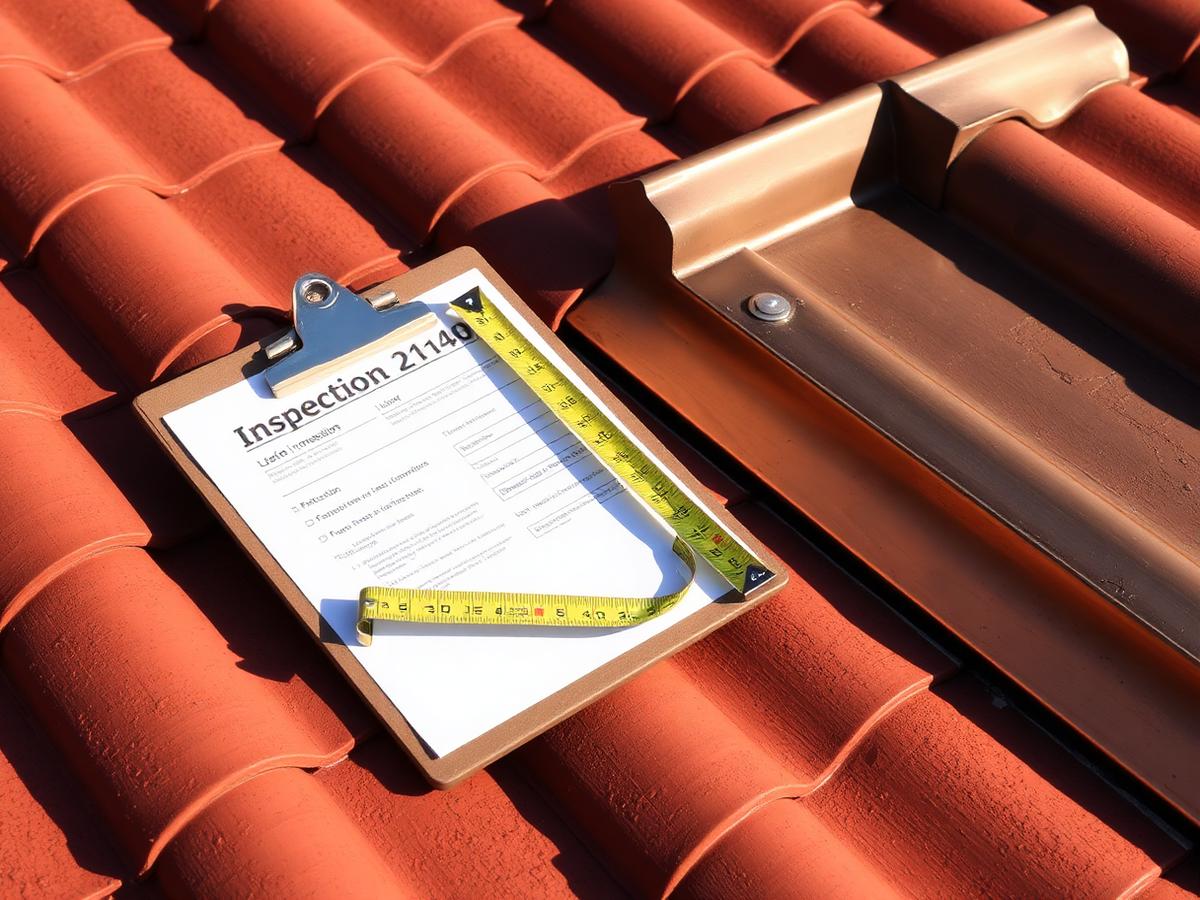
Roof inspections
Documented condition review, detail by detail, with photographs and findings sorted by what actually needs attention this year.
 Concept visual
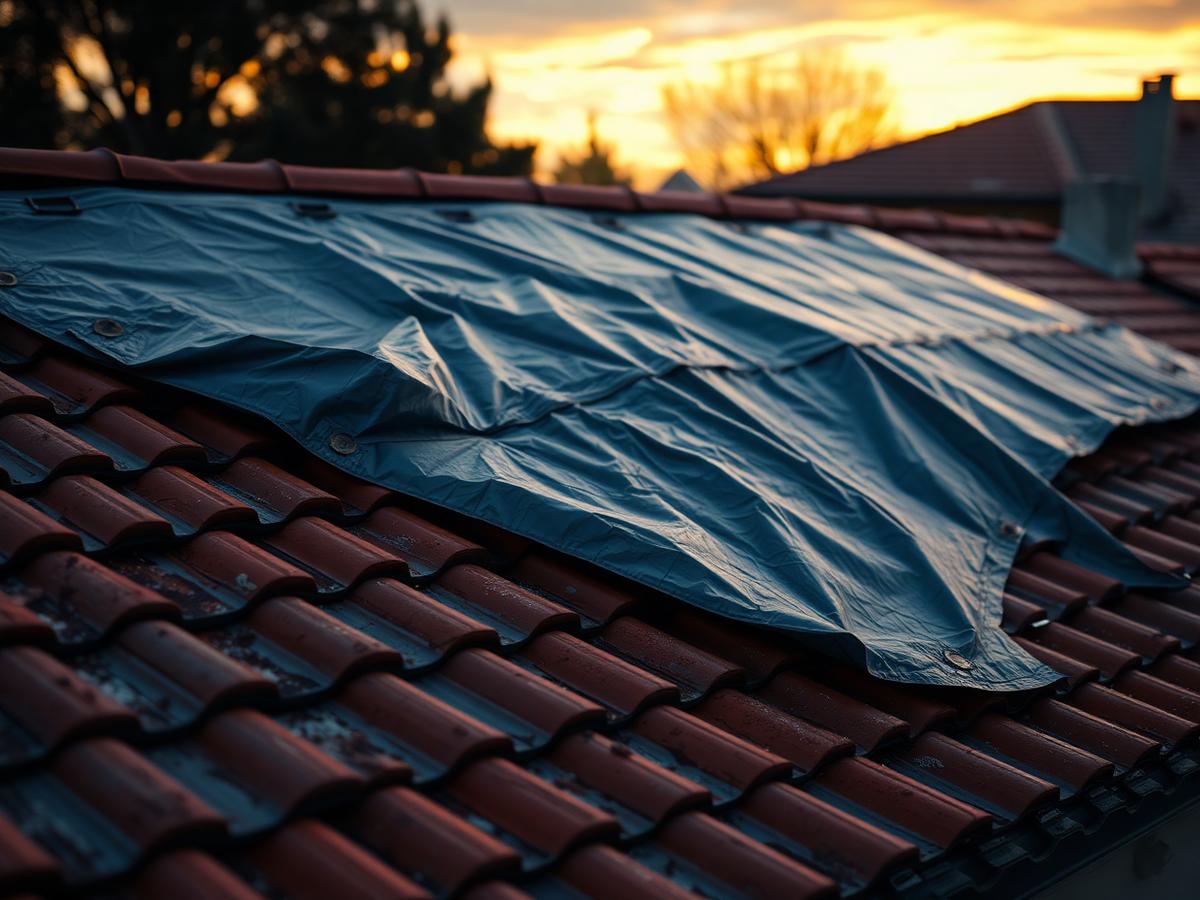
Emergency response
Stabilise first, repair properly second — plus the safe interior steps worth taking before anyone gets on a roof.
 Concept visual
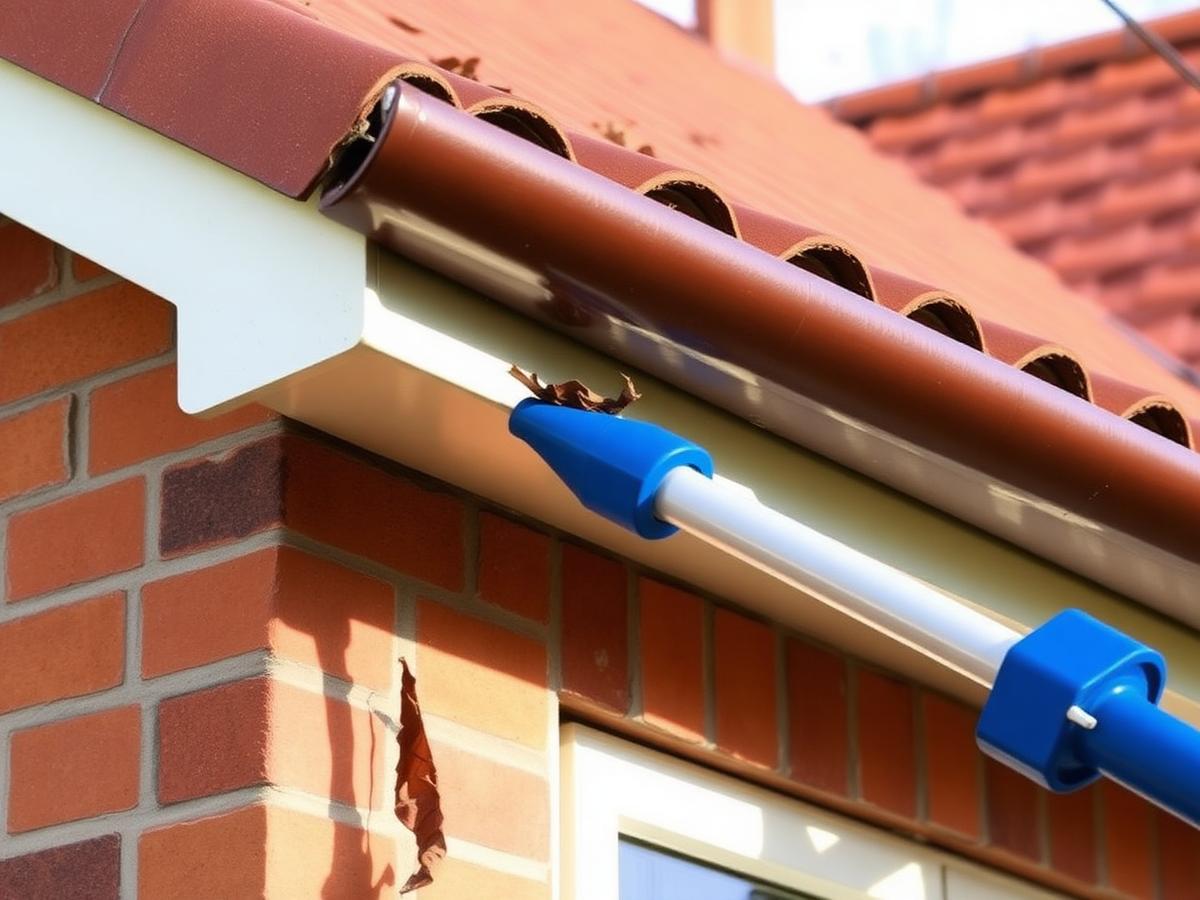
Maintenance planning
Drainage, debris, and detail checks on a seasonal rhythm, recorded so change over time is visible rather than remembered.
 Concept visual
Also
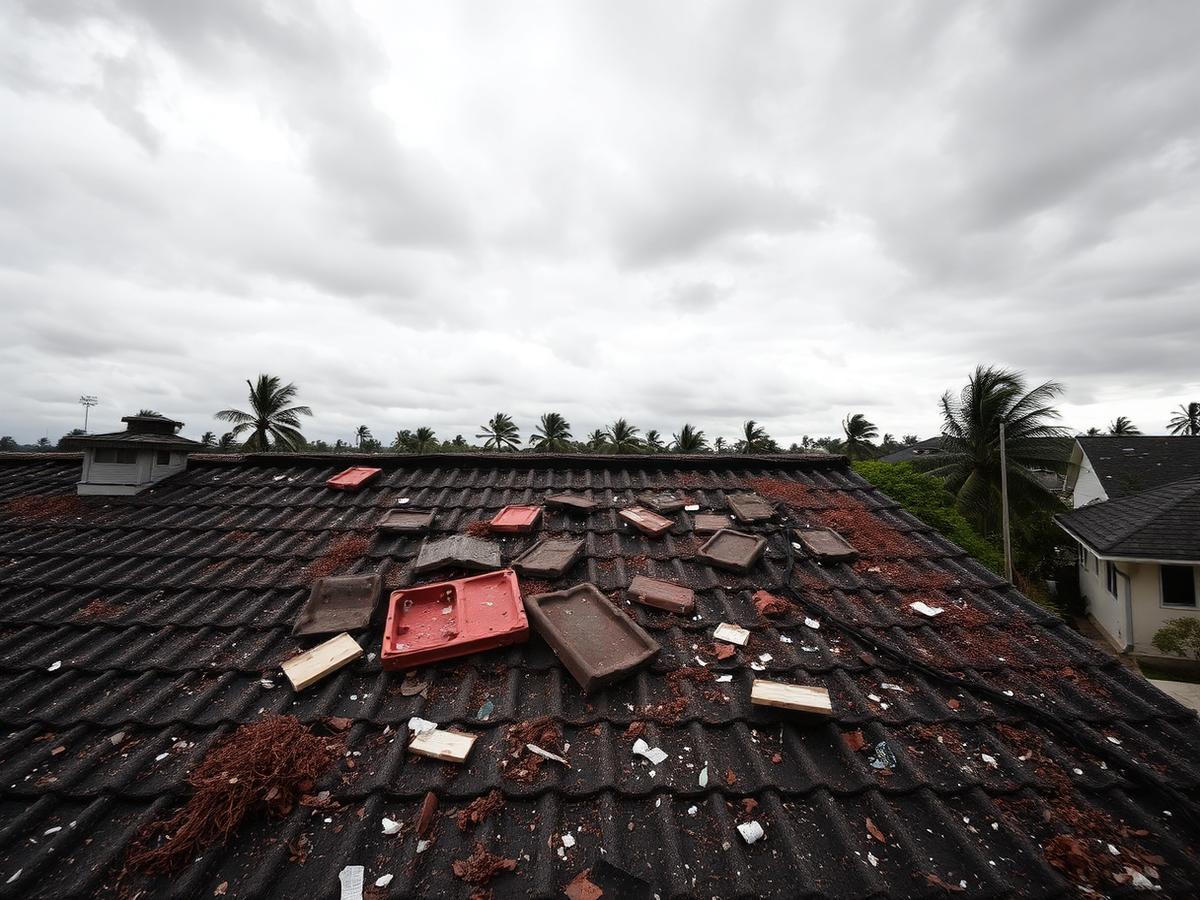
Storm damage documentation
Recording post-event condition carefully, before debris is cleared and the next rain overwrites the evidence.
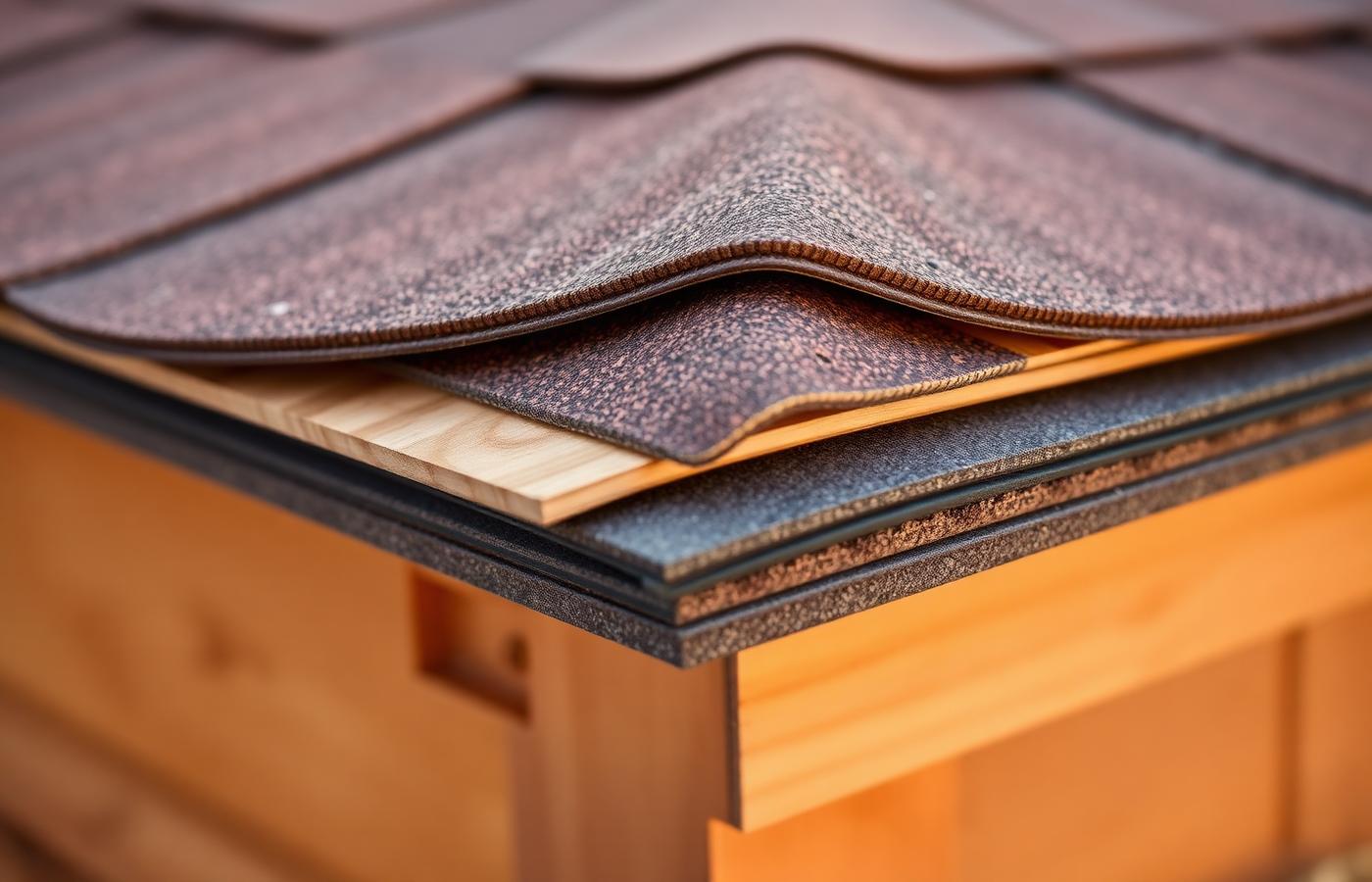
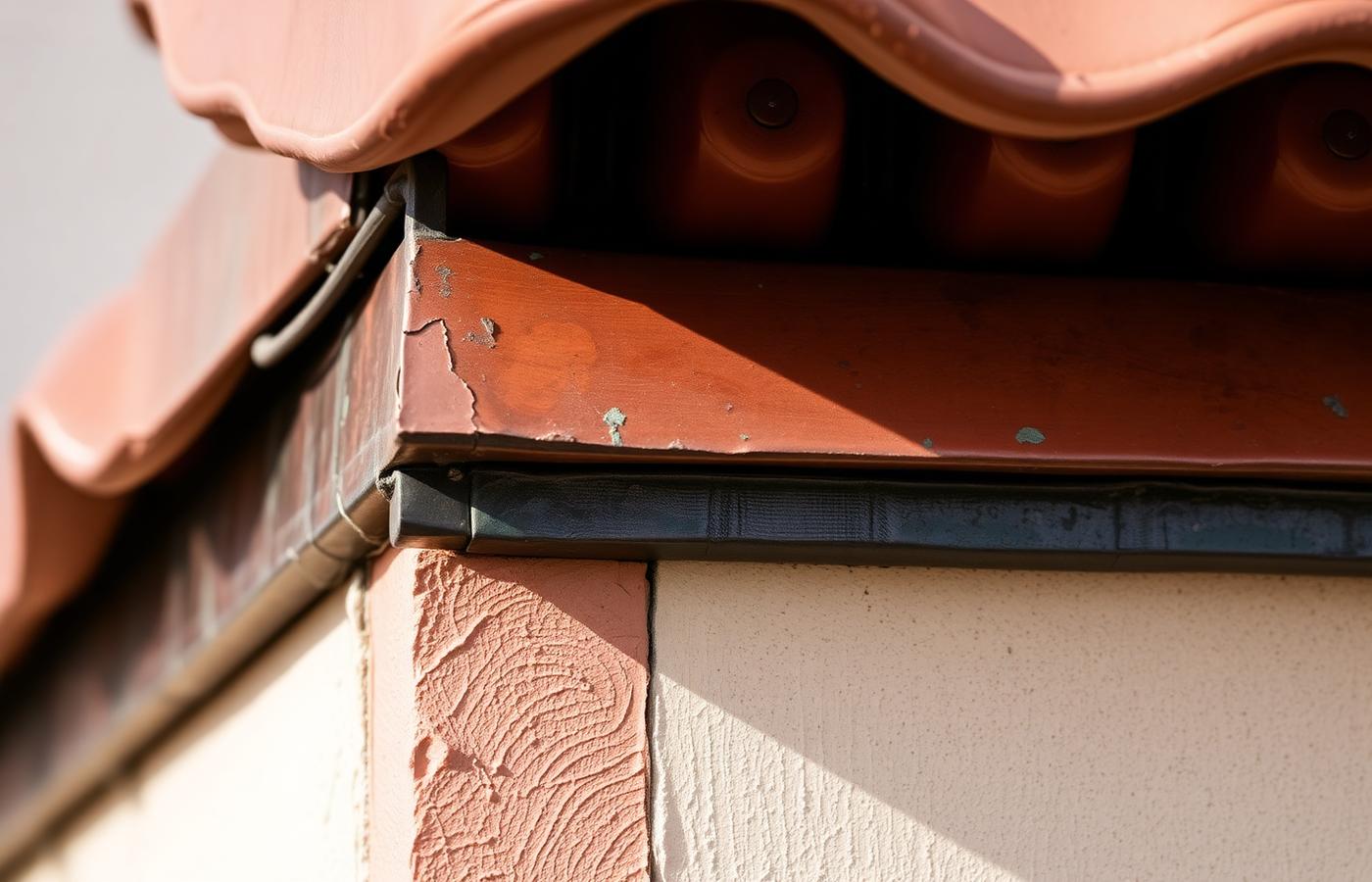
Assembly detail
Two views of where roofs succeed or fail
The layers under the covering and the metal at every interruption do most of the real work.
 Concept visual
 Concept visual
How a roof works
Water is managed by overlap, not by sealant
Understanding the layer order is what lets you judge whether a proposed repair addresses the cause or covers the symptom.
Rain lands on the covering and runs downhill. Where it meets an interruption — a pipe, a wall, a valley, a skylight — a piece of metal or a moulded collar picks the water up and returns it to the surface below that interruption. For this to work, upper material must always lie over lower material. That single rule explains most of what a roofer does.
Beneath the covering, the underlayment is the layer that actually keeps a house dry when wind pushes rain sideways past the surface. It is also the layer that ages invisibly, so a roof can look presentable from the driveway while its real barrier has gone brittle.
Sealant belongs in this picture as a secondary detail and a temporary measure — never as the reason a joint stays dry. Thick beds of roofing cement are usually a sign that someone chose to cover a defect rather than rebuild it.
Cautious by design
No forms, no bookings
Illustrative imagery only
Local conditions
Why South Florida is hard on roofs
General characteristics of the climate, and which part of the assembly each one tends to attack first.
| Condition | What it tends to affect first |
|---|---|
| Sustained UV exposure | Underlayment, penetration boots, and sealants — the flexible components age well before the covering looks worn. |
| Daily heat cycling | Fastener hold and metal terminations, as repeated expansion and contraction works connections loose. |
| Wind-driven rain | Laps and flashing legs, because water is pushed across and upward rather than straight down. |
| Heavy seasonal rainfall | Drainage capacity — valleys, gutters, and low-slope drains that cope in light rain can back up in a downpour. |
| Salt-laden coastal air | Exposed metal and fasteners, where corrosion shortens the life of edge and flashing components. |
| High humidity | Attic moisture and deck condition, especially where intake and exhaust ventilation are unbalanced. |
| Tropical wind events | Ridges, hips, corners, and edges, where uplift concentrates and attachment is tested hardest. |
Ask a question
Roofing assistant — informational only
It explains how roof assemblies work and what different symptoms commonly point toward. It cannot diagnose your roof, quote work, or book anything.
What it will not do
Assistant
Roof questions and appointment requests
The Assistant runs on the central Dr. Handy system. To speak with someone, call (954) 708-6930.
Questions
Roofing basics FAQ
› Where do most South Florida roofs actually leak?
At interruptions rather than in the open field: pipe and vent penetrations, wall and chimney junctions, valleys, skylight curbs, and the edge metal at eaves. Those are the places where the layered overlap that sheds water has to be interrupted and rebuilt with flashing, so they are where a small error becomes a leak.
› How is a roof supposed to keep water out?
By layering. The covering takes the weather, the underlayment beneath it is the real water barrier, and metal at every edge and penetration carries water back out onto the surface. Each layer laps over the one below so water always has a downhill path. Sealant is a supporting detail, never the system.
› Should I start with a repair or an assessment?
Usually an assessment, unless water is entering right now. Repairing the one spot you can see without documenting the surrounding condition often means paying for access to the same area twice, and it tells you nothing about whether the rest of the roof is in similar shape.
› What makes Miami roofs age differently?
Sustained UV, high heat cycling, salt in the air near the coast, heavy seasonal rainfall, and wind-driven rain that arrives at angles rather than straight down. Those conditions age underlayment, sealants, and fasteners faster than a milder climate does, which is why annual review is a reasonable habit here.
› Why are there no prices or project photos on this site?
A real number needs a real roof: slope, access, covering, deck condition, and detail count all change it, and none of that can be judged from a web page. Gallery imagery is also labelled concept illustration rather than someone else's roof presented as our work.
Planning roof work?
Useful notes to gather first: roof age if known, covering type, where any staining appears, and what weather brings it on. Contact details for this site are still being finalised; until then the assistant answers informational questions only.